
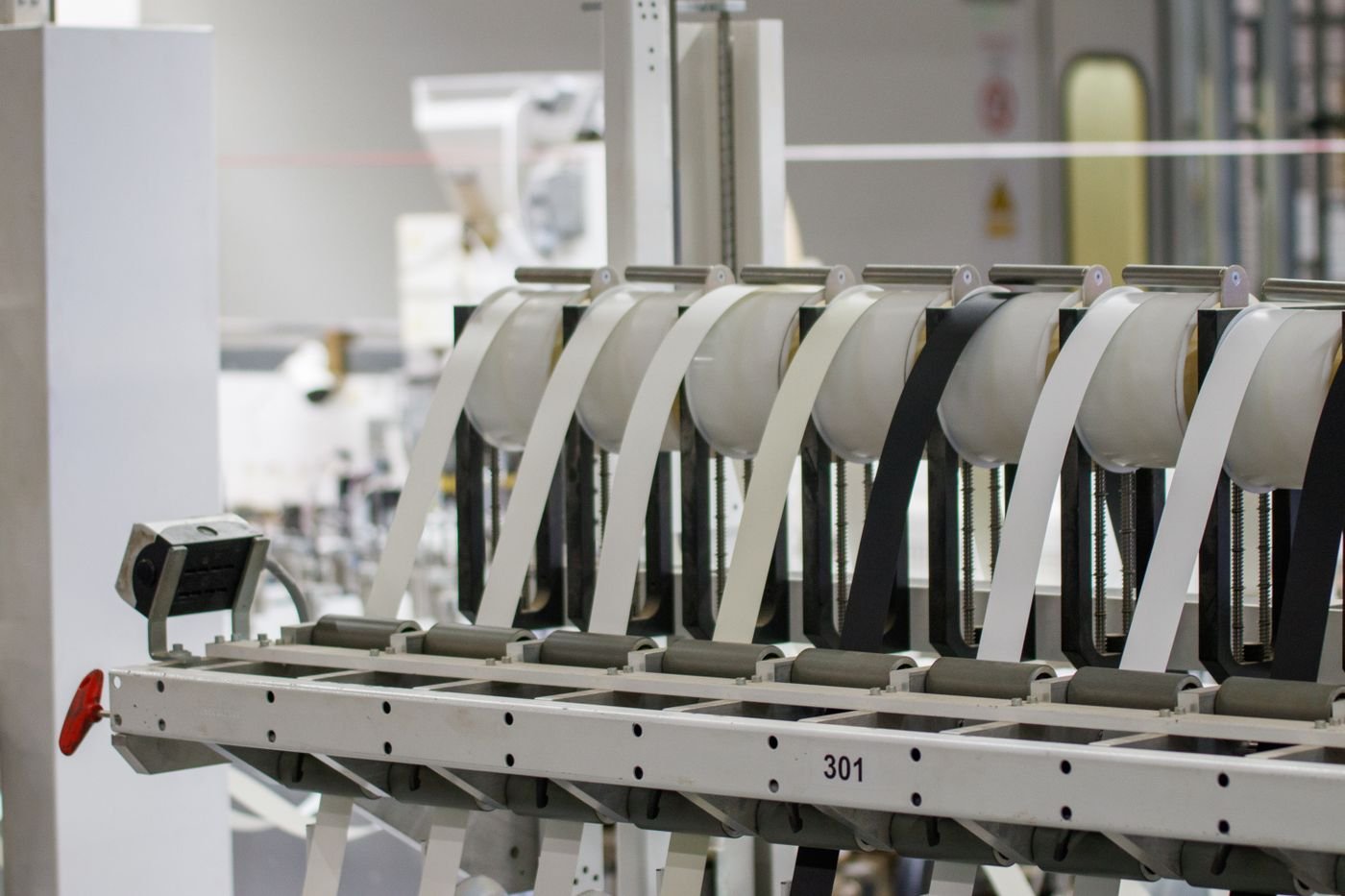
ESD flooring for electronics, labs and sensitive equipment areas
Electrostatic discharge can damage components and disrupt sensitive equipment. ESD floors give static a controlled path to ground and are tested to confirm they meet the specified range.
Conductive or static dissipative
ESD floors are specified by electrical resistance, measured in ohms. Conductive floors typically measure between 25,000 and 1 million ohms. Static dissipative floors typically measure between 1 million and 1 billion ohms. The right range depends on what is being protected and on your facility's ESD control program.
The floor is only one part of the system. Footwear, heel grounders, carts and workstations all have to work with it. We confirm the target range with your engineering or quality team before installation.
Operating conditions matter too. Low humidity, common in Ontario winters, increases static generation, and floor performance can vary with humidity. We discuss your conditions up front so the system performs year round, not only on the day it is tested.
How an ESD floor is installed
After grinding and repairs, copper grounding strips are laid out on the slab and connected to ground points, with final electrical connections made by a licensed electrician where required. A conductive primer spreads charge evenly across the floor. The ESD body coat, which contains conductive fibres or fillers, is then installed at a controlled thickness.
Once cured, the floor is tested for resistance to ground and point to point at multiple locations. Results are recorded and included with closeout documents. ESD floors should be retested periodically and cleaned only with products that do not leave an insulating residue.
How a esd flooring system is built
Every layer has a job. Here's what goes down, from the slab up.
Static charge travels through the conductive layers to a grounding point, protecting sensitive electronics.
- Each coat goes down at the specified thickness
- Cure times are planned into your schedule
- The full system is listed in your formal quote
What you get
What the job includes
- Review of target resistance range with your team
- Grinding and slab repair
- Copper grounding strip layout and connection to ground points
- Conductive primer and ESD body coat
- Resistance testing to ground and point to point
- Test report and maintenance guidance
How a project runs
Every project starts with an instant estimate or a call, then a site assessment and a written quote before any work is scheduled.
Common in
ESD Flooring FAQ
Which ESD range do we need?
That depends on the components you handle and your ESD control program. Electronics assembly often specifies static dissipative, while some areas call for conductive. We work from your specification or help your team confirm it.
Can ESD flooring go over an existing coating?
In some cases, if the existing coating is well bonded and compatible. Grounding still has to be installed under the ESD layer. We assess adhesion and layout during the site visit.
How is an ESD floor maintained?
Use cleaners approved for ESD floors and avoid waxes or finishes that leave an insulating film. Periodic resistance testing confirms the floor is still in range. We provide guidance at handover.
What drives the cost?
Area, slab condition, the required resistance range, the number of ground points and testing requirements. Contact us with your specification and we will confirm pricing after a site assessment.
Related services

Solid Colour Epoxy
Durable single-colour epoxy coatings for working floors in plants, warehouses and back-of-house areas.
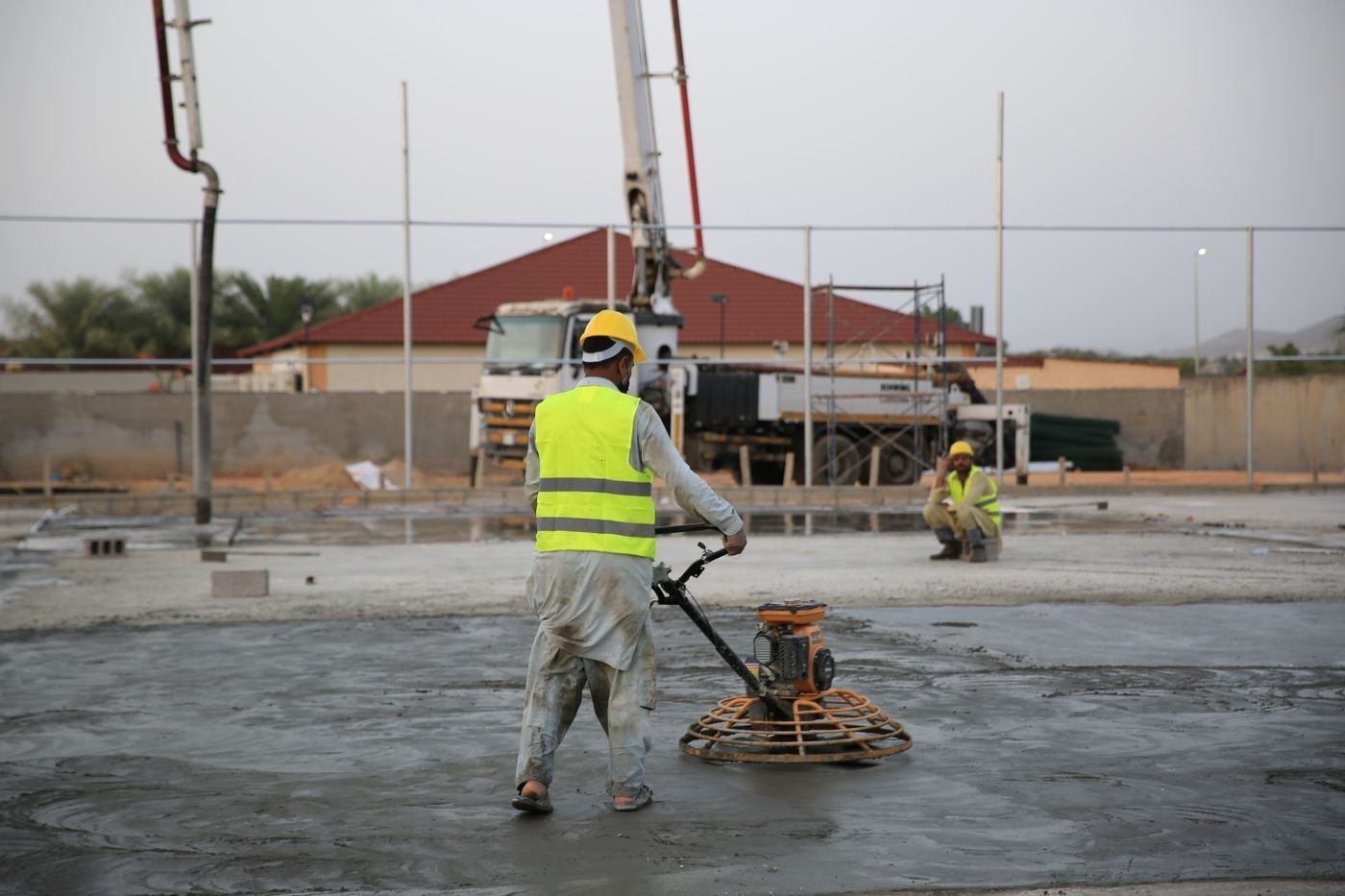
Concrete Grinding & Surface Prep
Diamond grinding and shot blasting to the correct surface profile for coatings, overlays and polishing.
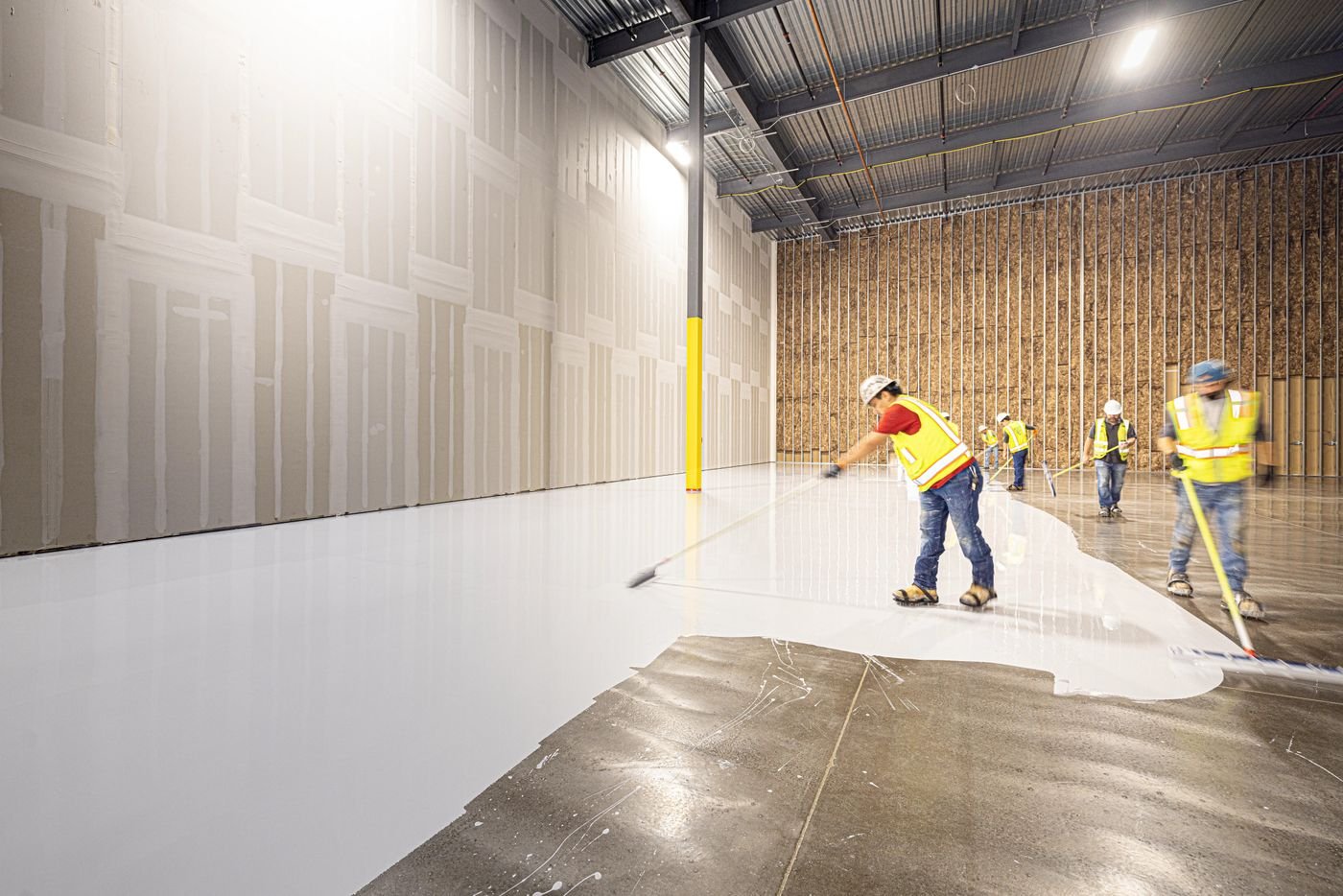
Self-Leveling & Floor Leveling
Self-leveling underlayments and toppings that flatten uneven slabs before new flooring or coatings.
See what your floor will cost
Answer a few quick questions and see your estimate in about two minutes. A formal quote follows a site assessment.