
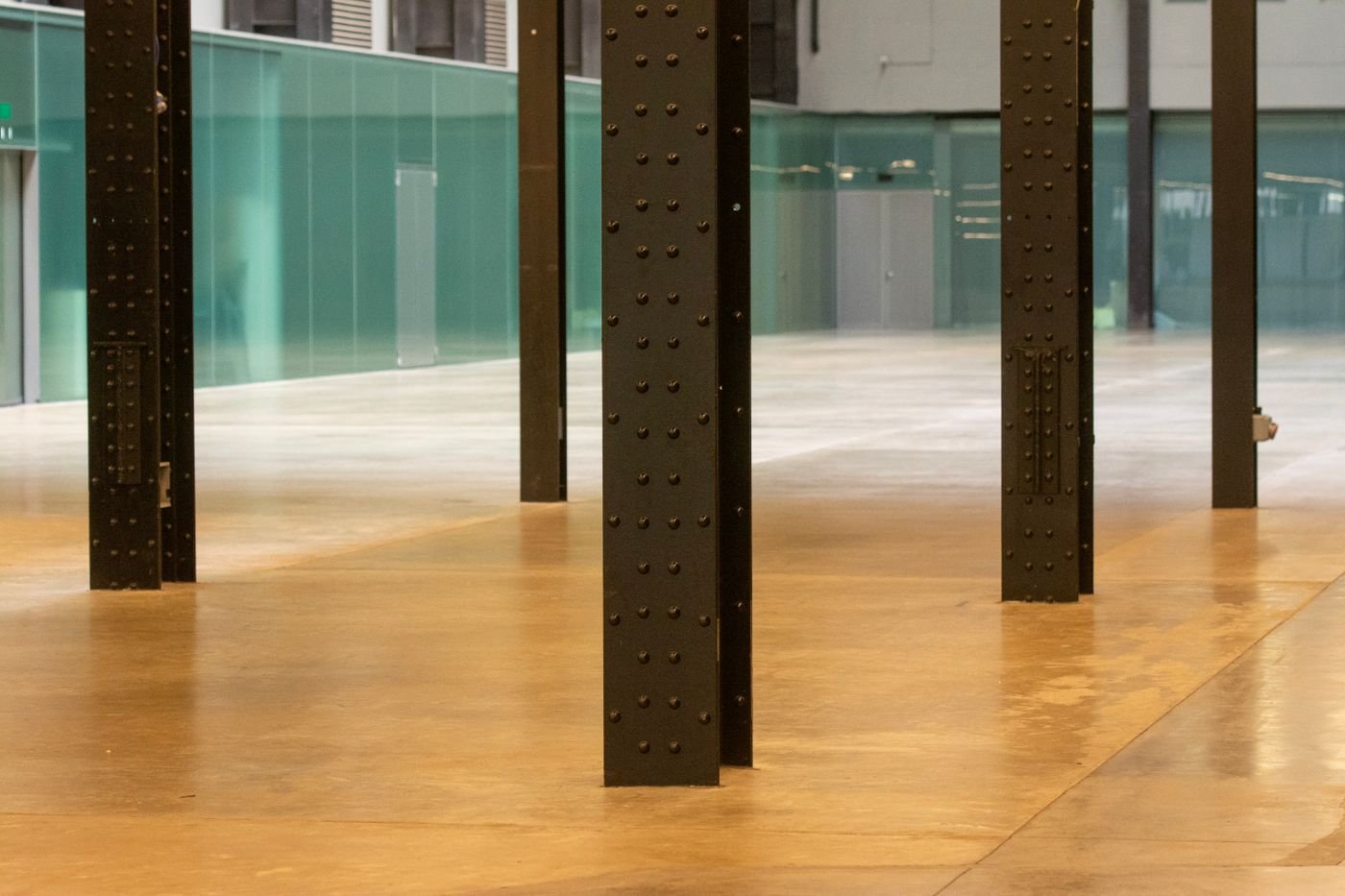
Polished concrete floors for commercial and industrial buildings
Polishing grinds and refines the slab itself into a hard, dense, reflective floor. There is no coating to peel, and maintenance is simple.
How concrete polishing works
Polished concrete is a mechanical process. We grind the slab with metal-bond diamonds to remove the top layer, then refine it through progressively finer resin-bond diamonds. A lithium or sodium silicate densifier is applied along the way. It reacts with the concrete to harden the surface and reduce dusting.
The look is set by the depth of the grind and the final grit. A cream finish keeps the top paste and shows little aggregate. A salt and pepper finish exposes fine sand. A full aggregate finish exposes the larger stone. Sheen ranges from a low satin at around 400 grit to a high gloss at 1500 to 3000 grit.
Guard, maintenance and performance
After polishing, a penetrating stain guard is applied to help resist oil, food and drink stains. Day to day, the floor needs only dust mopping and auto-scrubbing with a neutral cleaner, and periodic burnishing keeps the shine up.
Polished concrete has no film to scratch or peel, so it suits large floors with forklift and foot traffic. It is not impervious, though. Areas exposed to acids or heavy chemical spills are better served by a resin system.
Why it fits so many buildings
Big-box retail, warehouses, schools and offices choose polished concrete for its long service life and low maintenance cost. It also brightens a space by reflecting light. The same process works in residential basements where the slab is suitable.
HEPA dust extraction on every machine
Our grinders run hooked up to industrial HEPA vacuum systems that capture dust right at the head, for a virtually dust-free job site. Occupied areas can stay open while we work.
The result is a virtually dust-free site, safe for occupied buildings, finished interiors and active job sites. Silica dust is controlled from the first pass to the last.
- Cleaner air for staff, tenants and trades
- Less cleanup and downtime
- Occupied areas can stay open

How a polished concrete system is built
Every layer has a job. Here's what goes down, from the slab up.
Each pass refines the surface. Where we stop sets the sheen, from satin to high gloss.
- Each coat goes down at the specified thickness
- Cure times are planned into your schedule
- The full system is listed in your formal quote
What you get
What the job includes
- Slab assessment and test area
- Coarse grinding with metal-bond diamonds
- Crack and joint repair or filling
- Densifier application
- Resin-bond polishing to the specified grit
- Stain guard application and final burnish
How a project runs
Every project starts with an instant estimate or a call, then a site assessment and a written quote before any work is scheduled.
Common in
Polished Concrete FAQ
Can any concrete floor be polished?
Most sound slabs can be polished, but results vary with slab hardness, flatness and past repairs. Patches and old coating residue can show in the finish. We do a test area during the site assessment so you can see what to expect.
What affects the cost of polished concrete?
The finish level, depth of grind, slab condition, removal of old coatings and repair of cracks and joints. Large open floors are more efficient than small rooms. The instant estimate gives a range, and the price is confirmed after a site assessment.
Is there cure time after polishing?
The polished floor itself has no cure time, so areas can often go back into service soon after the final pass. Joint fillers and guards may need a short dry time. Overall duration depends on size and finish level.
Is polished concrete slippery?
A clean, dry polished floor typically has good slip resistance. Water, oil or dust on the surface reduces grip, as with any hard floor. Regular cleaning keeps it safe, and we provide maintenance guidance at handover.
Related services
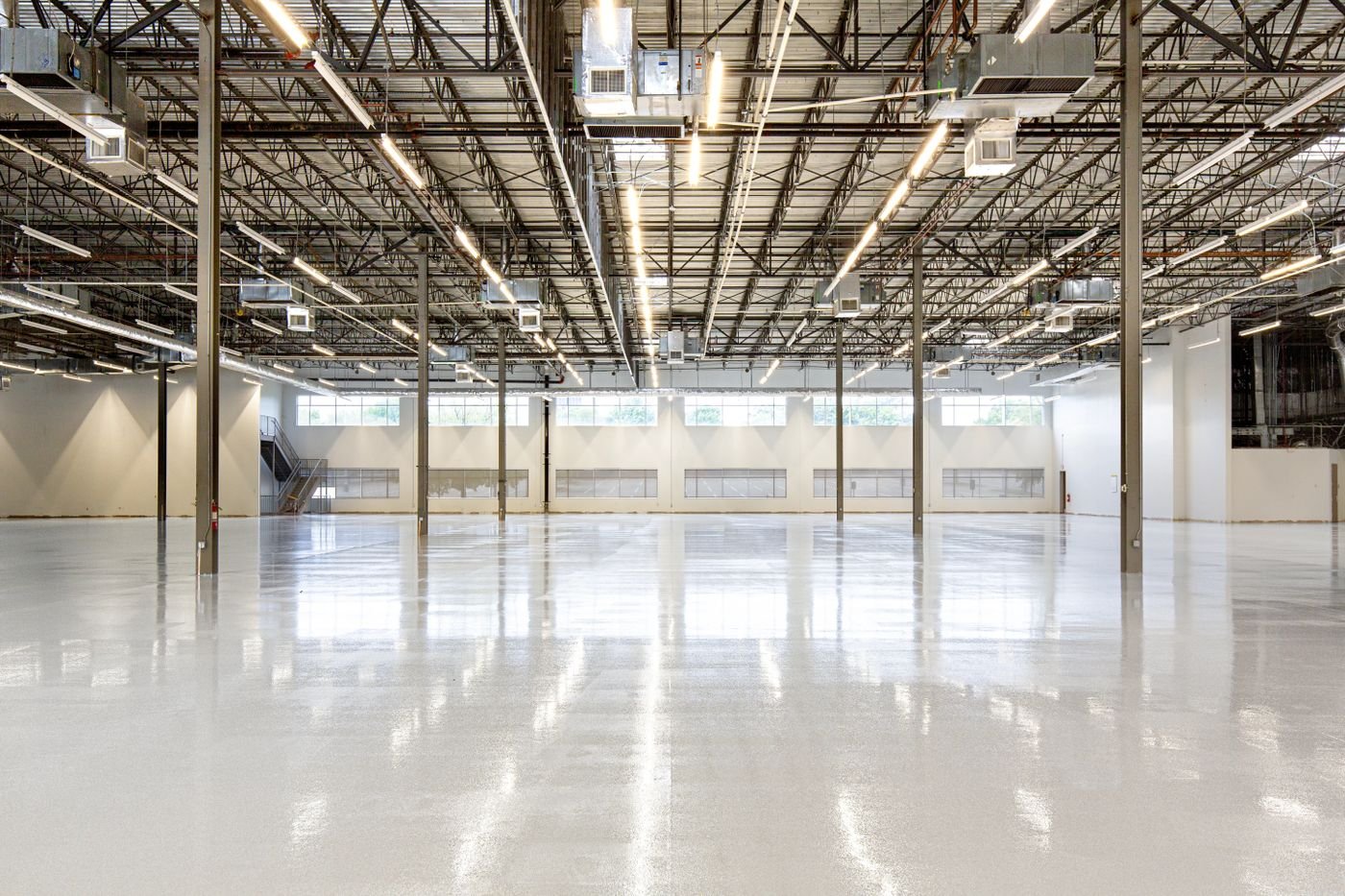
Grind & Seal
Diamond grinding plus a penetrating or film-forming sealer, an economical way to dust-proof and protect concrete.
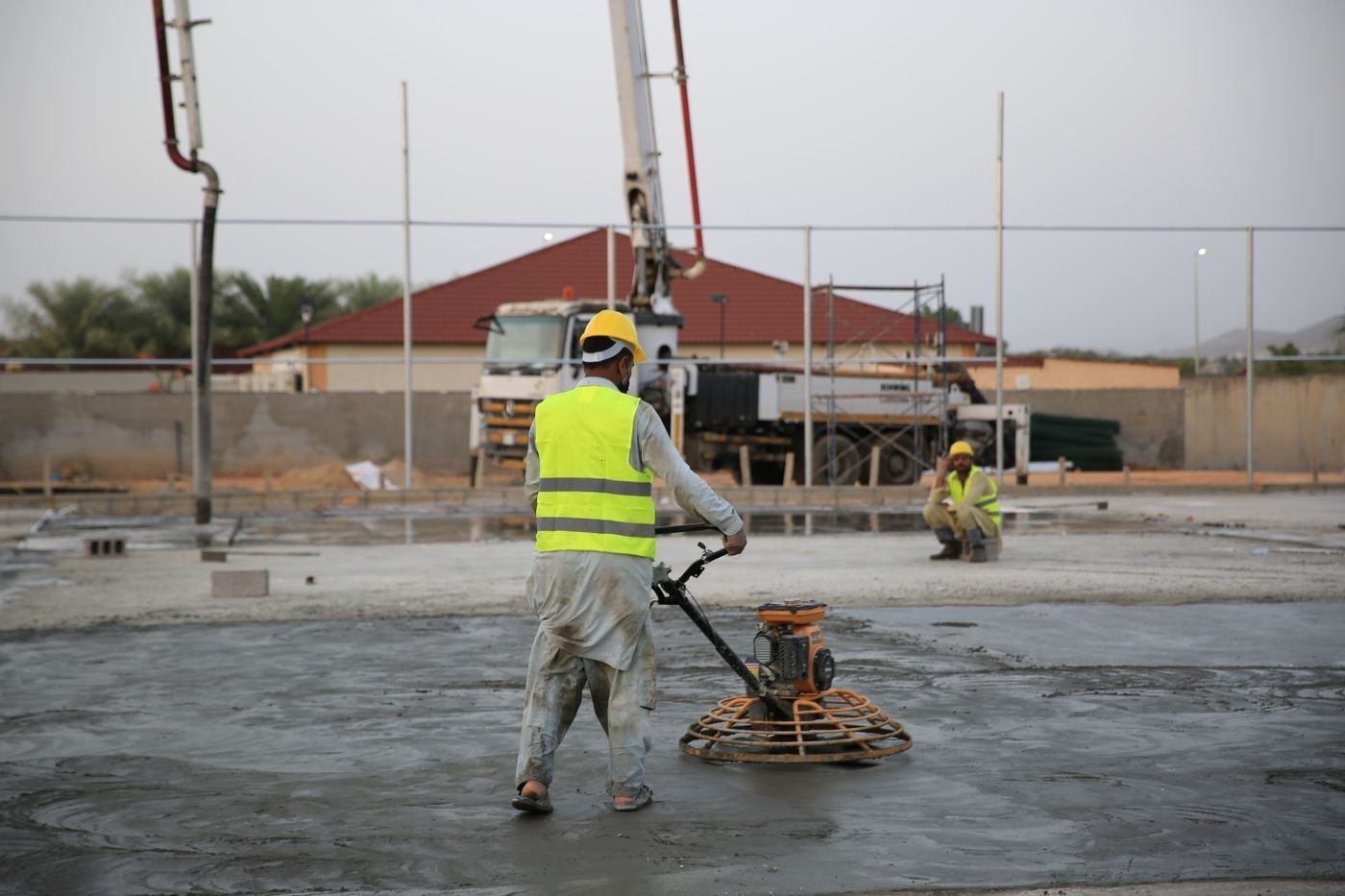
Concrete Grinding & Surface Prep
Diamond grinding and shot blasting to the correct surface profile for coatings, overlays and polishing.
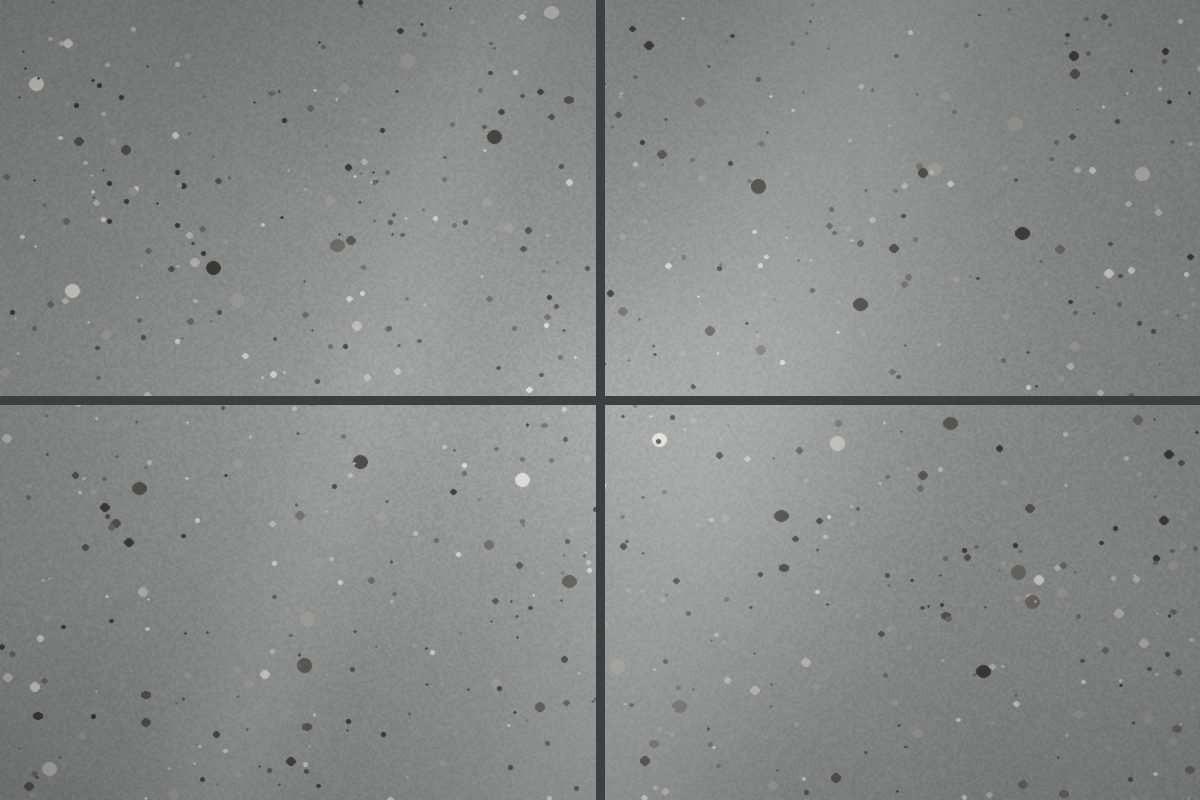
Control & Expansion Joints
Semi-rigid polyurea joint filling and expansion joint repair that protects slab edges from wheel damage.
See what your floor will cost
Answer a few quick questions and see your estimate in about two minutes. A formal quote follows a site assessment.