

Joint filling and expansion joint repair for warehouse and industrial floors
Open control joints chip and break under forklift wheels. Filling them with the right material protects the slab edges and gives wheels a smooth path across.
Why joints fail
Saw-cut control joints are placed so the slab cracks in a straight line as it shrinks. Left open, those joints have unsupported edges. Every time a hard forklift wheel crosses, it strikes the far edge and chips it. Over time the joint widens and spalls, damaging equipment, shifting loads and getting worse every week.
The fix is a semi-rigid filler that supports the joint edges while allowing slight movement. Semi-rigid polyurea and epoxy joint fillers are made for this. Soft caulks and sealants are not, because they deflect under wheels and give the edges no support.
Our joint filling process
Joints are saw-cleaned or routed to remove old filler, debris and dirt down to clean concrete. Spalled edges are rebuilt with epoxy mortar first. The filler is installed full depth or over a backer as specified, overfilled slightly, then shaved flush with the floor once cured for a smooth transition.
Timing matters on new slabs. Concrete keeps shrinking for months, so filling too early can cause the filler to separate from the joint wall. Where that happens, we refill the gap. Expansion and isolation joints, which must move more, are treated with flexible sealants or purpose-built joint systems.
Freezers and cold storage need fillers rated for low temperatures. These are best installed with the space at operating temperature, when joints are at their widest. We plan these installs with your facility team to limit disruption to stored product.
Why joints need filling
Open joints chip under forklift and cart traffic. Filling them flush protects the slab edges and smooths the ride.
A backer rod sets the depth in expansion joints, and the filler is shaved flush so wheels roll across without impact.
- Same crew from prep to finish
- Scheduled around your site
- Confirmed during the site assessment
What you get
What the job includes
- Clean out and fill open control and expansion joints
- Remove failed or missing filler and refill
- Rebuild chipped and spalled joint edges
- Shave filler flush for smooth wheel traffic
- Joint survey and condition mapping
- Saw-cleaning or routing of existing joints
How a project runs
Every project starts with an instant estimate or a call, then a site assessment and a written quote before any work is scheduled.
Common in
Control & Expansion Joints FAQ
How soon can forklifts drive over filled joints?
Polyurea joint fillers cure quickly, and traffic can often resume within about an hour once the filler is shaved flush. Epoxy fillers take longer. We pick the material based on your schedule.
Why did our previous joint filler separate?
Most often the slab was still shrinking when it was filled, or the wrong material was used. Separation from shrinkage is normal on newer slabs and is fixed by refilling. A soft sealant in a traffic joint is another common cause of early failure.
Should spalled joints be repaired before filling?
Yes. Filler alone will not fix broken edges. Spalls are rebuilt with epoxy mortar first so wheels have solid support on both sides of the joint.
What drives the cost?
Total linear length of joints, their width and condition, the amount of edge repair, and access around racking and equipment. Contact us and we will confirm pricing after a site assessment.
Related services
Concrete & Crack Repair
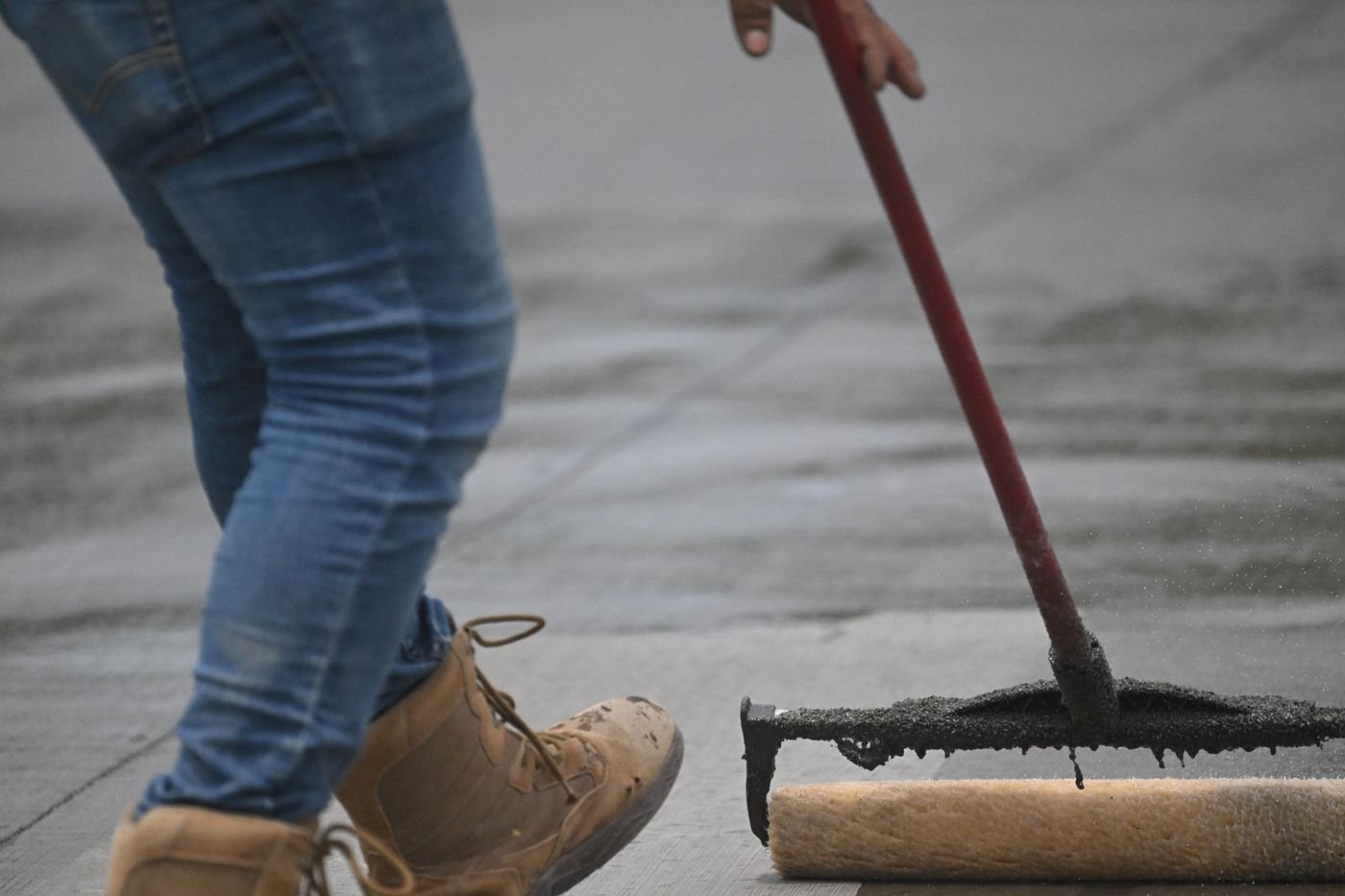
Crack, spall and slab repairs that restore damaged concrete and prepare it for coatings or traffic.
Polished Concrete
Mechanically ground and polished concrete with densifier and guard for low-maintenance, high-traffic floors.
Solid Colour Epoxy
Durable single-colour epoxy coatings for working floors in plants, warehouses and back-of-house areas.
See what your floor will cost
Answer a few quick questions and see your estimate in about two minutes. A formal quote follows a site assessment.