
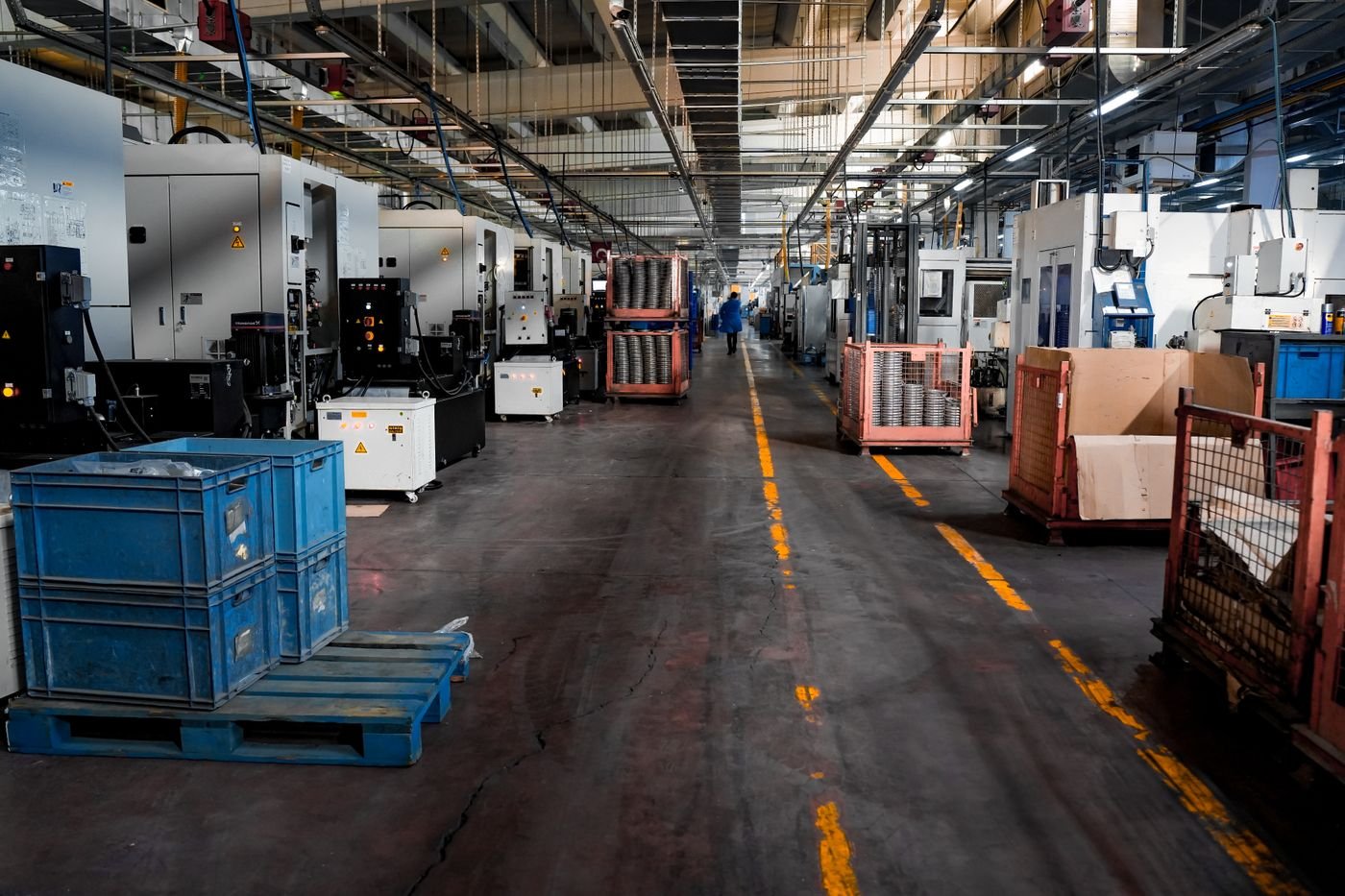
Flooring for manufacturing and industrial plants
Plant floors take impact, rolling loads, oils and chemicals. We match each zone to a system that can handle its real conditions.
One plant can need several floor systems. A machining area sees oil and dropped parts. A wash bay sees hot water. An electronics line needs static control. We map the plant by zone and select the system that fits each one, from thick epoxy and quartz to urethane cement and ESD flooring. Damaged slabs are repaired and levelled first so the new floor sits on a sound base.
Plants cannot stop for long. We schedule around shutdowns, work nights and weekends, and phase the work so production keeps running in the areas we are not in. Our installation teams have over 20 years of experience, and every crew member is WHMIS and First Aid trained, with Working at Heights mandatory.
Built for how the space is used
Why coves matter
A cove carries the floor up the wall in one seamless piece. There's no joint at the base of the wall for water, chemicals or bacteria to get into.
DELAGA installs radius and 45° coves from 2" to 9" high, in the same resin as the floor, so floor and wall base clean as one surface.
Common in commercial kitchens, food processing, hospitals and labs, manufacturing and mechanical rooms.
What we usually specify
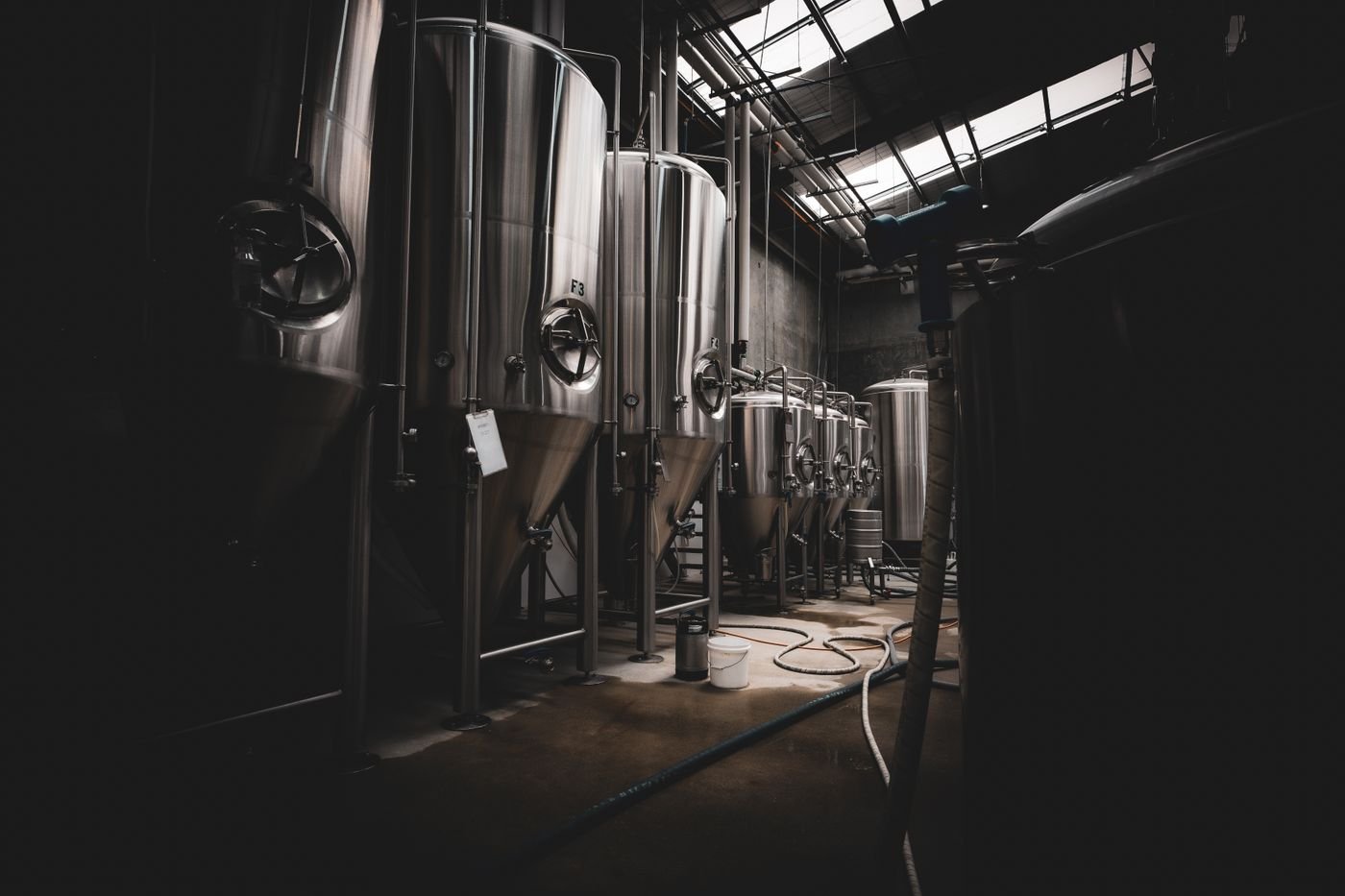
Urethane Cement Flooring
Handles impact, heat and chemicals in the hardest production zones.
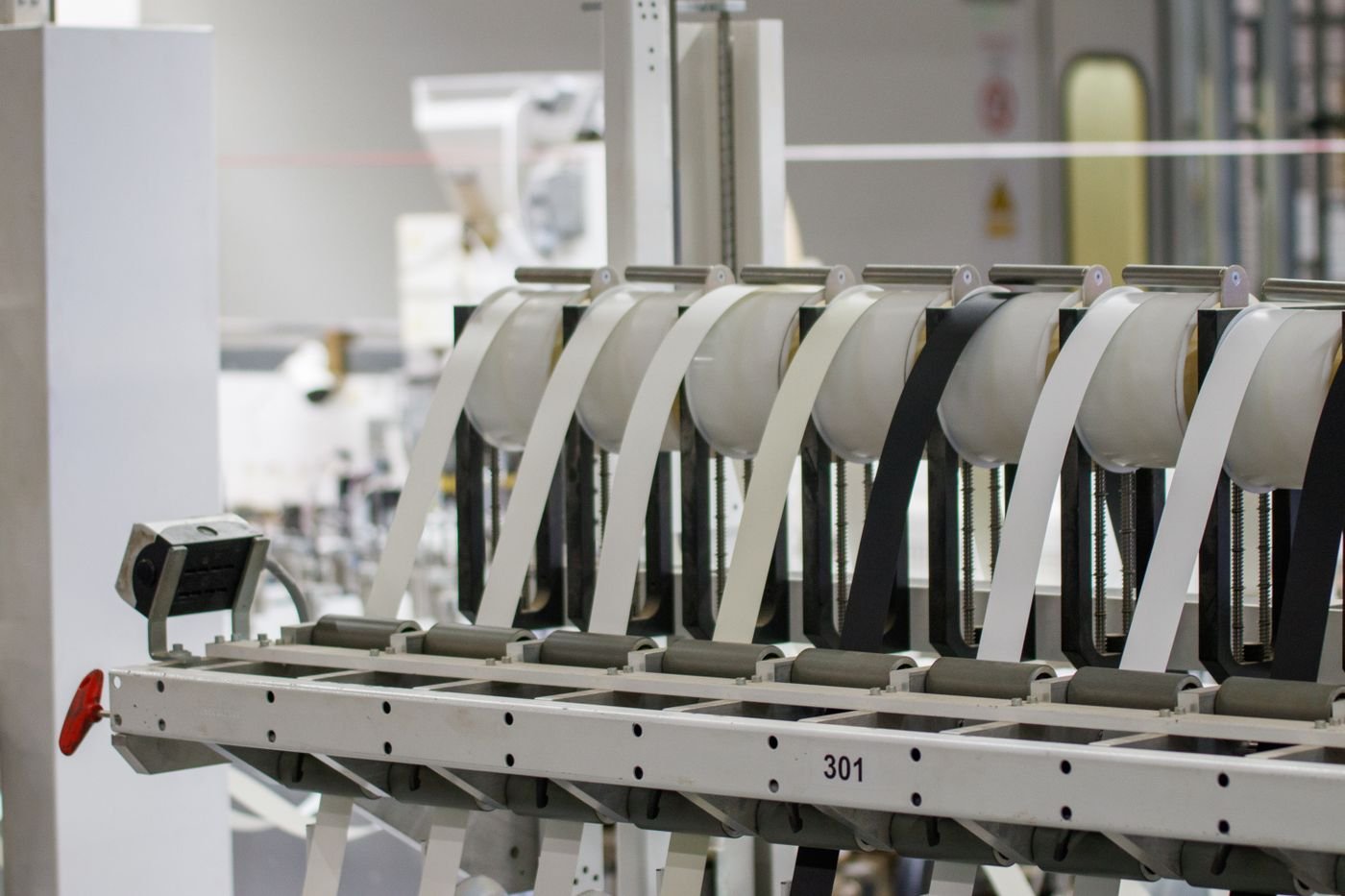
ESD Flooring
Controls static on electronics assembly and testing lines.

Quartz Broadcast Flooring
A textured, hard-wearing surface for wet or high-traffic production areas.

Concrete & Crack Repair
Restores spalled and cracked slabs so new coatings bond to sound concrete.
Manufacturing & Industrial Plants: FAQ
Can you install during a plant shutdown?
Yes. Shutdowns, weekends and nights are common for plant work. We plan the sequence so each area returns to service on time.
Do you do different systems in one plant?
Yes. We often install several systems in one building, each matched to how that zone is used. It avoids overspending on areas with lighter demands.
What does ESD flooring need to work?
It needs a proper ground connection and regular testing. We install the system to a target resistance range set by your requirements.
Can you remove our old coating?
Yes. We remove failed coatings, tile and adhesives by grinding or shot blasting, then prepare the slab for the new system.
Related industries
See what your floor will cost
Answer a few quick questions and see your estimate in about two minutes. A formal quote follows a site assessment.