
Concrete and crack repair for commercial and industrial floors
Cracks, spalls and broken joints get worse under traffic. We repair damaged concrete with the right materials so the floor is safe, sound and ready for use or coating.
Matching the repair to the damage
Not all cracks are the same. Hairline shrinkage cracks may only need sealing. Active or structural cracks need a different approach, and some should be reviewed by an engineer. We look at width, movement, depth and cause before choosing a repair.
Spalls, pop-outs and broken slab edges are cut back to sound concrete and rebuilt with fast-setting cementitious or epoxy repair mortars. Where reinforcing steel is exposed, it is cleaned and treated before patching. Cracks that need to be bonded across get a rigid epoxy fill or injection where appropriate.
Repairs that hold up
Most patch failures come from feathered edges, poor bond or the wrong material. We saw-cut repair edges square, clean and prime the substrate, and use materials rated for the traffic and temperature in the space. Fast-setting products let many repairs return to service within hours.
Repairs are often part of a larger coating or polishing project. They can also be done on their own, to remove trip hazards, fix forklift damage at doorways or rebuild loading dock edges.
Docks, thresholds and high-impact areas
Dock edges, door thresholds and floor transitions take the hardest hits in most buildings, and repeated forklift impact breaks them down quickly. We rebuild these areas with high-strength repair mortars. Where damage keeps coming back, we discuss edge protection or changes to the transition so the repair lasts.
How a crack repair works
We open the crack to a clean, even shape, fill it with a rigid repair material and grind it flush.
Spalls and holes get the same treatment with a repair mortar, so the new floor has a solid, level base.
- Same crew from prep to finish
- Scheduled around your site
- Confirmed during the site assessment
What you get
What the job includes
- Crack and spall survey
- Saw-cutting and removal of unsound concrete
- Cleaning and treatment of exposed reinforcing steel
- Repair mortar or epoxy patching
- Crack sealing, filling or injection
- Grinding repairs flush with the slab
How a project runs
Every project starts with an instant estimate or a call, then a site assessment and a written quote before any work is scheduled.
Common in
Concrete & Crack Repair FAQ
Should every crack be repaired?
Not always. Hairline cracks that are not moving and not causing problems may only need sealing or monitoring. Moving or structural cracks need a different approach and sometimes engineering review, and we explain what each one needs during the site assessment.
How long before traffic can go on repairs?
Fast-setting repair mortars can often take traffic within a few hours, while standard materials need longer. We choose materials based on how quickly you need the area back.
Will repairs show through a new coating?
Repairs are ground flush so they do not create bumps. Under opaque coatings they are usually hidden. With polished concrete or clear sealers, patches will show as a different colour.
What drives the cost?
The number and size of repairs, depth of damage, material type and access. Contact us with photos or book a site assessment and we will confirm pricing.
Related services

Control & Expansion Joints
Semi-rigid polyurea joint filling and expansion joint repair that protects slab edges from wheel damage.
Concrete Grinding & Surface Prep
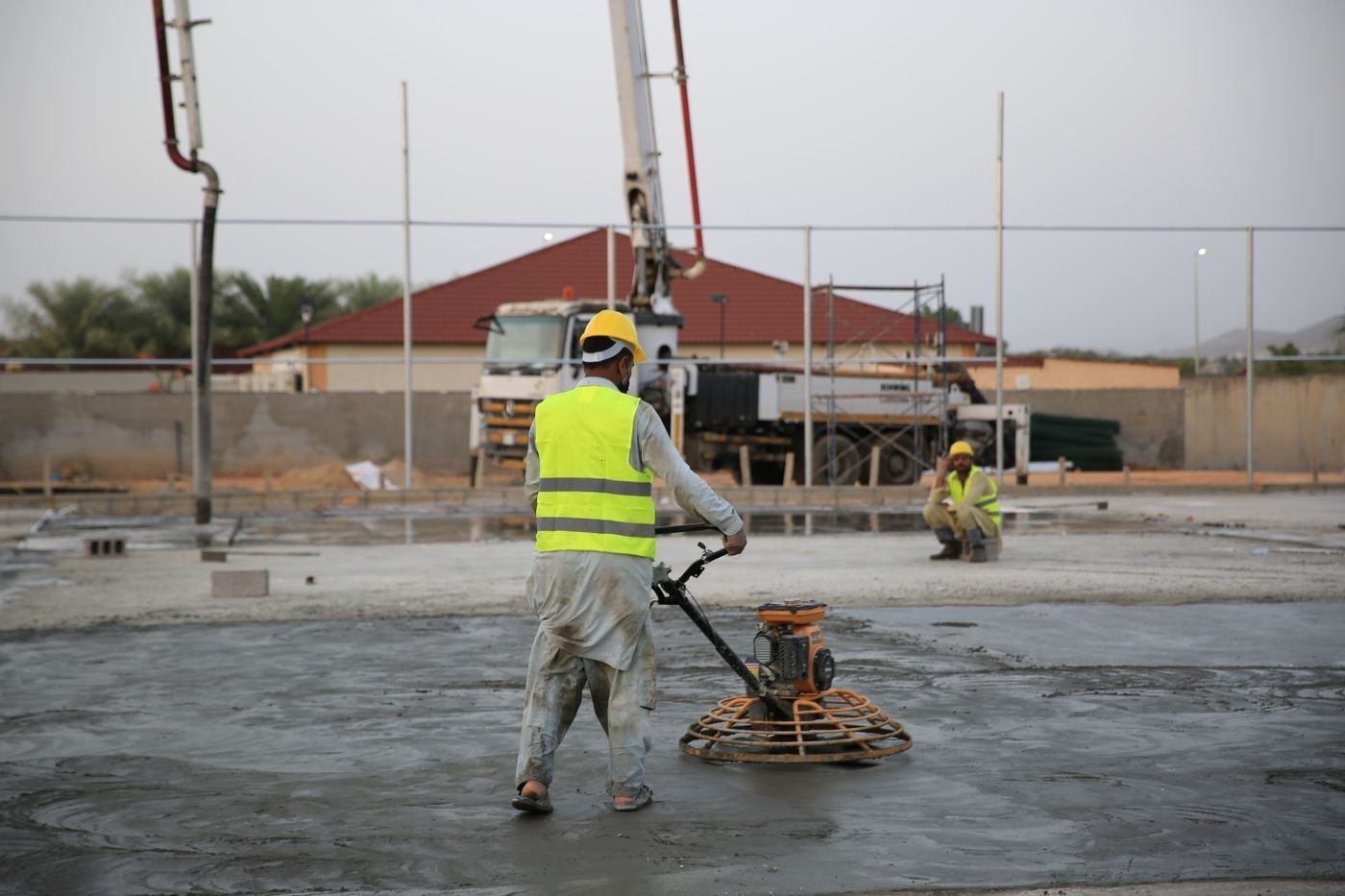
Diamond grinding and shot blasting to the correct surface profile for coatings, overlays and polishing.
Slab Pours, Cutting & Concrete Work
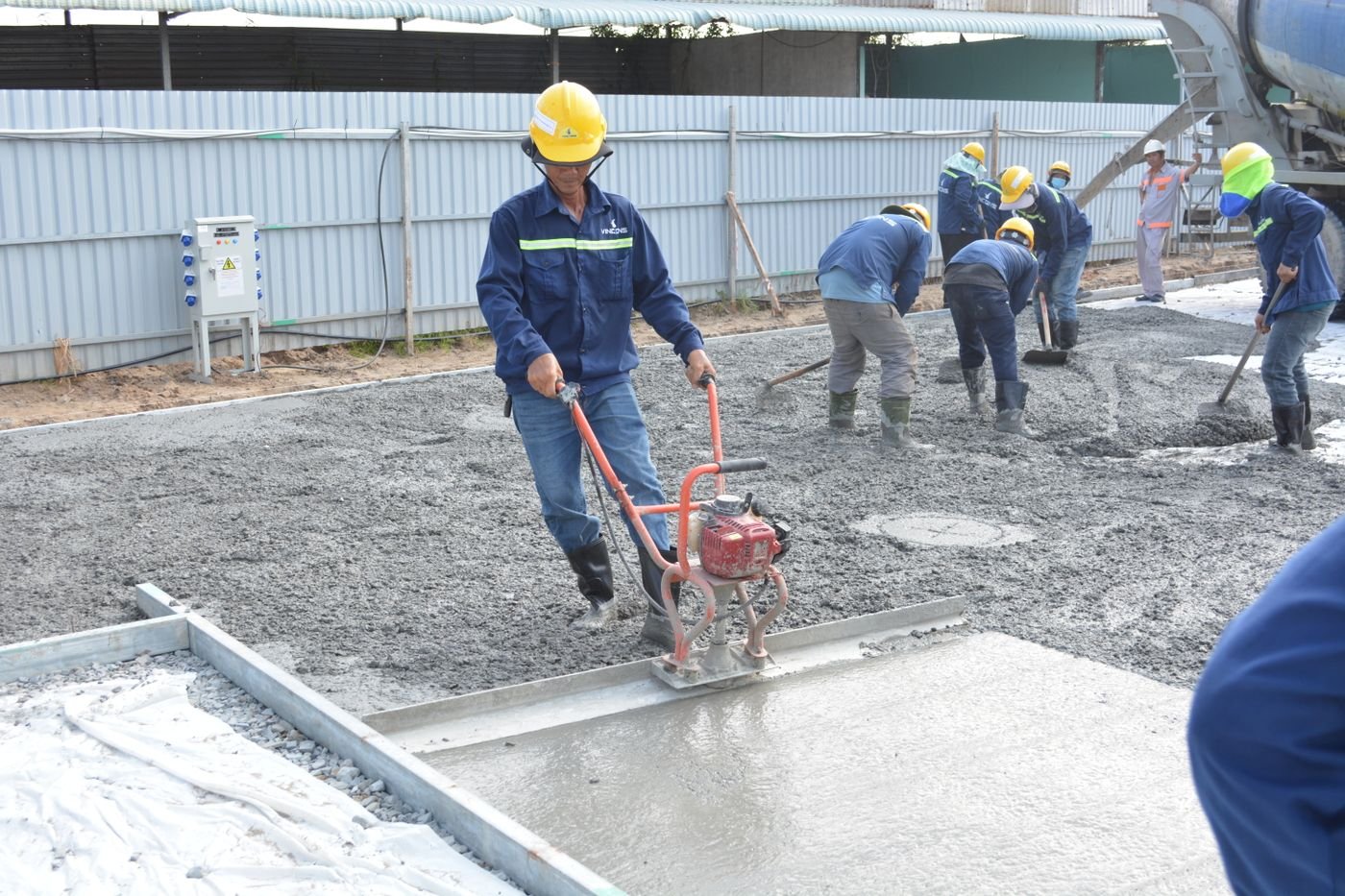
New slab pours, saw-cutting, trenching and general concrete work for commercial and industrial projects.
See what your floor will cost
Answer a few quick questions and see your estimate in about two minutes. A formal quote follows a site assessment.