
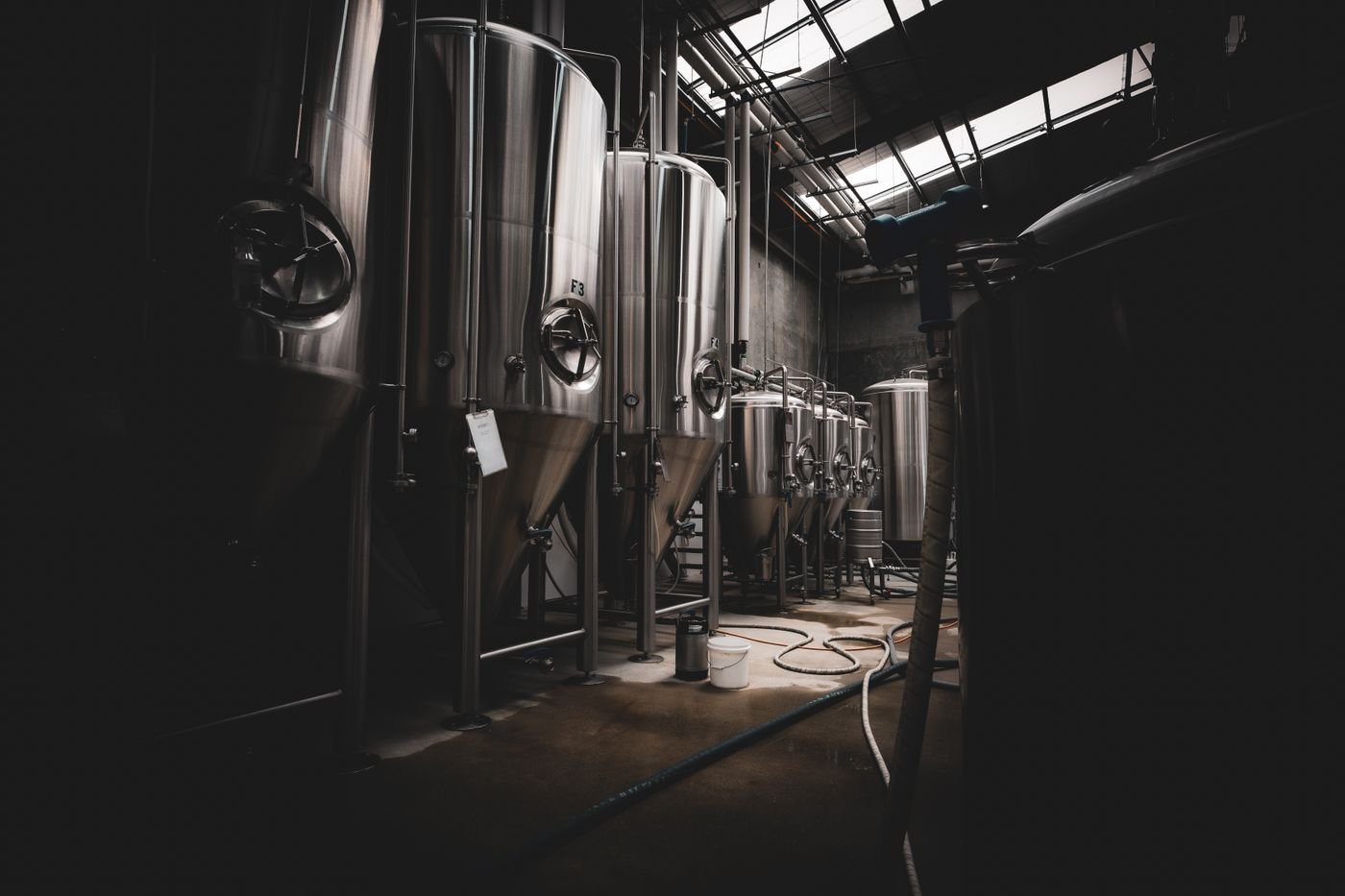
Flooring for food and beverage processing plants
Processing floors take hot water, steam, fats, sugars and acids every day. We install systems built for sanitation and constant washdown.
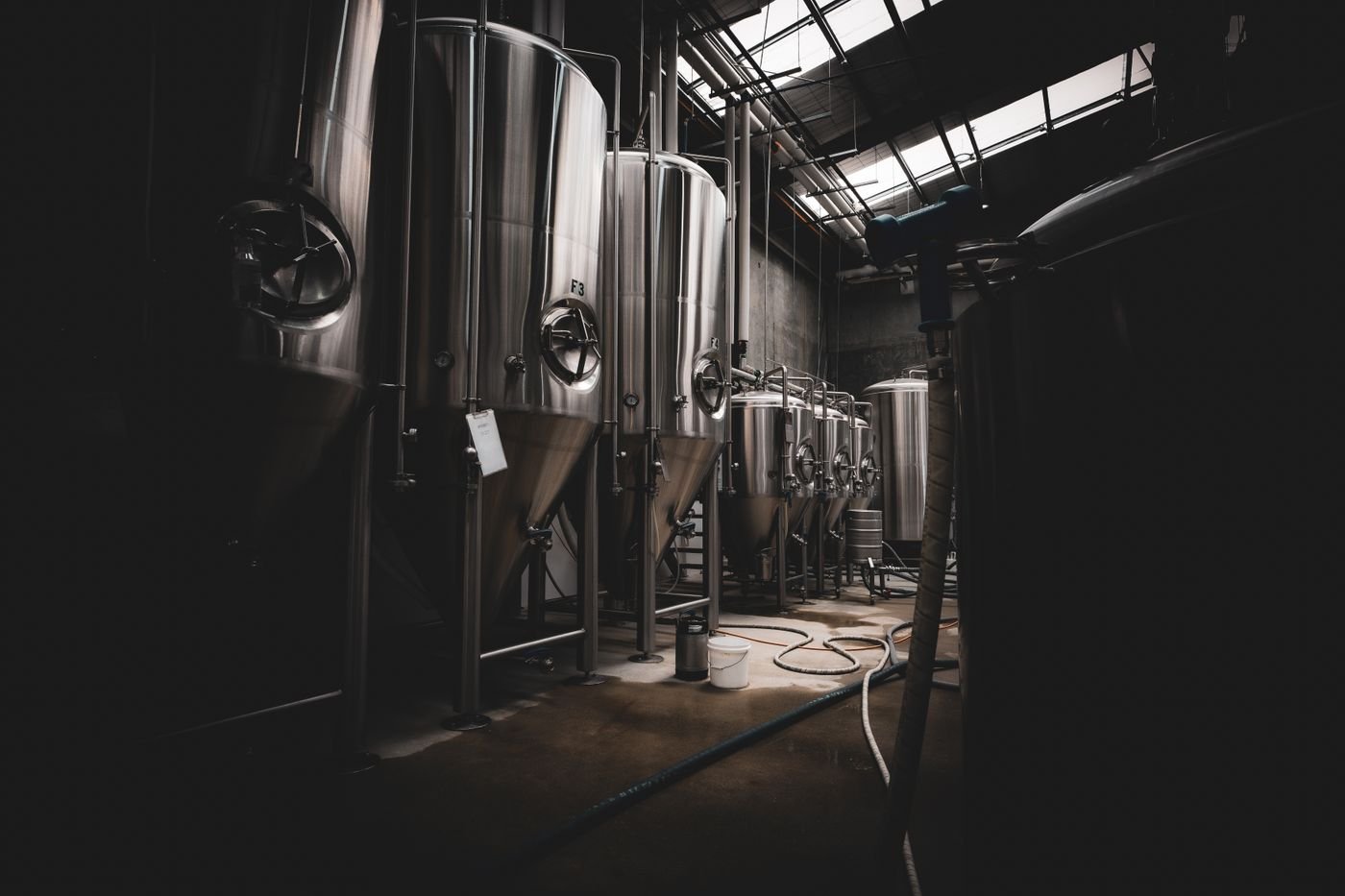
Food plants are hard on floors. Hot washdown water, steam cleaning and cold rooms cause thermal shock that cracks standard coatings. Fats, blood, sugars and organic acids attack the surface. Urethane cement is the standard choice in these areas because it handles heat, chemicals and moisture. We finish it with an anti-slip texture so wet floors remain safer to walk on.
Drainage matters as much as the coating. We correct slopes and set trench drains so water does not pond. Integral coves seal the wall line, supporting easy cleaning and sanitary design. Installs are planned around shutdowns, weekends and nights, and our crews are WHMIS and First Aid trained for work inside active plants.
Built for how the space is used
Why coves matter
A cove carries the floor up the wall in one seamless piece. There's no joint at the base of the wall for water, chemicals or bacteria to get into.
DELAGA installs radius and 45° coves from 2" to 9" high, in the same resin as the floor, so floor and wall base clean as one surface.
Common in commercial kitchens, food processing, hospitals and labs, manufacturing and mechanical rooms.
What we usually specify
Urethane Cement Flooring
Resists hot water, steam, fats and organic acids found in processing areas.

Slope-to-Drain
Keeps washdown water moving to drains instead of pooling.

Trench Drains & Floor Drains
Collects high volumes of water along production lines.

Integral Coving
Seals the floor-to-wall joint so it can be washed down completely.
Food & Beverage Processing: FAQ
Why urethane cement instead of epoxy?
Urethane cement handles heat, thermal shock and moisture far better than standard epoxy. That makes it a common choice for washdown and cooking areas.
Can you install in coolers and cold rooms?
Yes. We plan coolers around temperature and cure needs, and some rooms must be warmed during installation. We confirm the approach during the site assessment.
Can work be done during a production shutdown?
Yes. We often work over weekends, holidays and planned shutdowns. Large areas can be done in phases so lines restart on schedule.
How long before the floor can return to service?
Many urethane cement systems take foot traffic within a day. Full cure time depends on the product and room temperature, and we confirm it before work starts.
Related industries
See what your floor will cost
Answer a few quick questions and see your estimate in about two minutes. A formal quote follows a site assessment.