
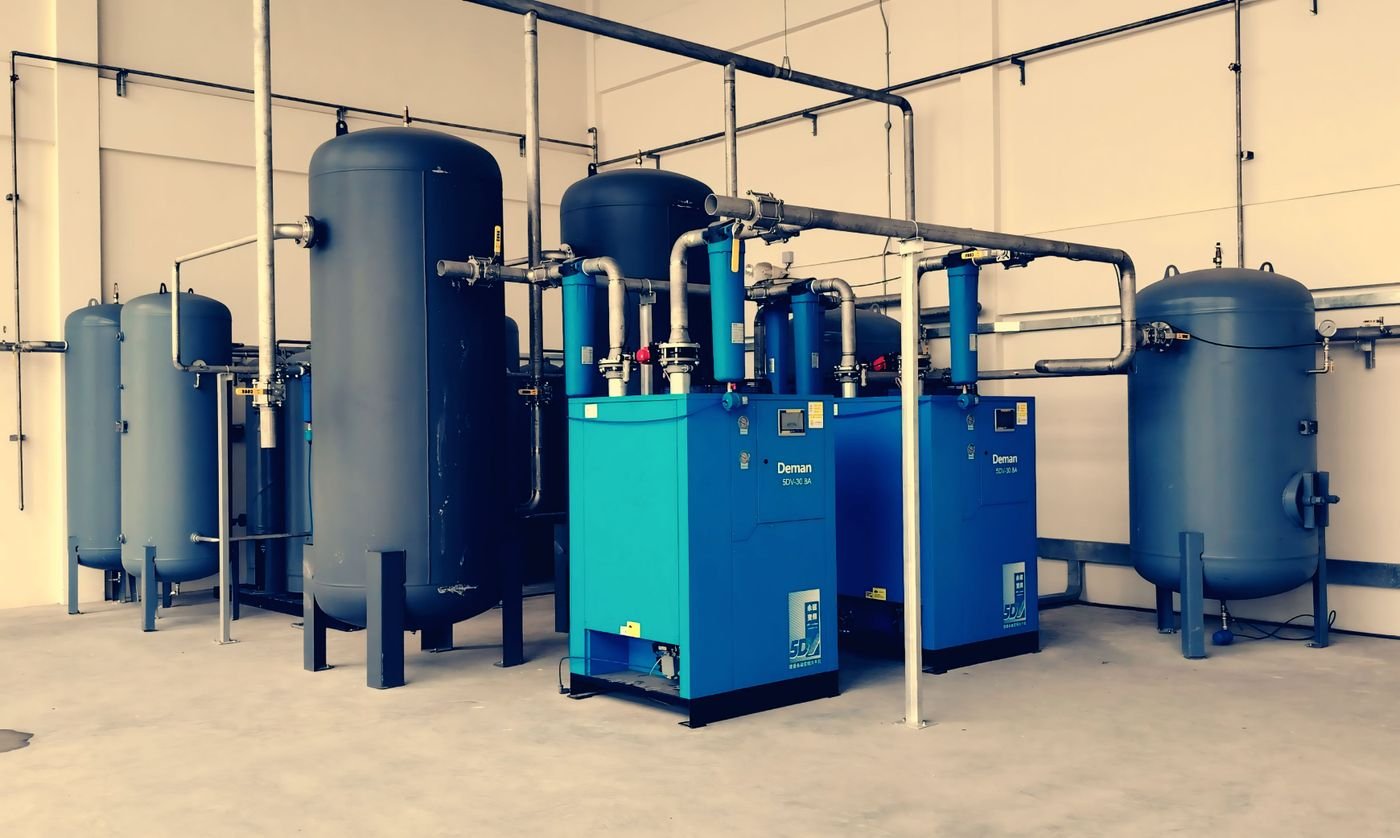
Floors for mechanical, boiler and electrical rooms
Mechanical rooms see leaks, glycol, oil and heat. We build floors that contain spills, drain properly and protect the slab below.
A leaking pump or a failed fitting in a mechanical room can send water and glycol into the floor below. A sealed, coved floor turns the room into a contained basin. We combine chemical-resistant coatings with integral coves, curbs and sloped surfaces so liquids move to the drain instead of into the structure or under equipment. Coatings are chosen to resist the oils and treatment chemicals found in these rooms.
Most of these rooms are full of equipment that cannot move. We prepare and coat around pumps, boilers, tanks and conduit, and we pour or repair housekeeping pads as part of the same job. Work can be done in phases to keep systems running. Our installation teams bring over 20 years of experience to tight, detailed rooms like these.
Built for how the space is used
Why coves matter
A cove carries the floor up the wall in one seamless piece. There's no joint at the base of the wall for water, chemicals or bacteria to get into.
DELAGA installs radius and 45° coves from 2" to 9" high, in the same resin as the floor, so floor and wall base clean as one surface.
Common in commercial kitchens, food processing, hospitals and labs, manufacturing and mechanical rooms.
What we usually specify

Integral Coving
Integral coves seal the wall line and help contain leaks inside the room.

Slope-to-Drain
Moves water away from equipment bases and toward floor drains.
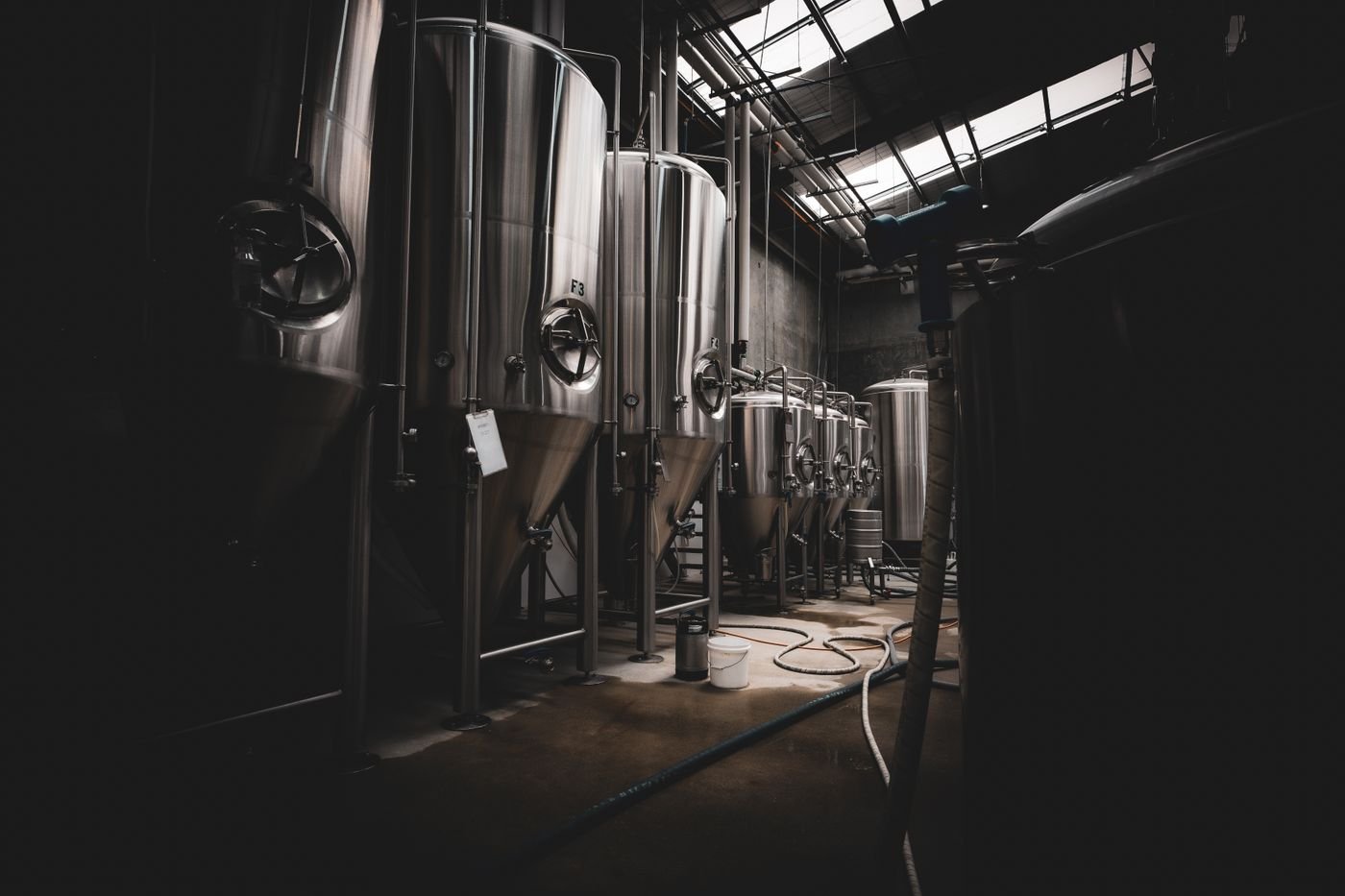
Urethane Cement Flooring
Handles hot water, heat and chemical exposure in boiler rooms.
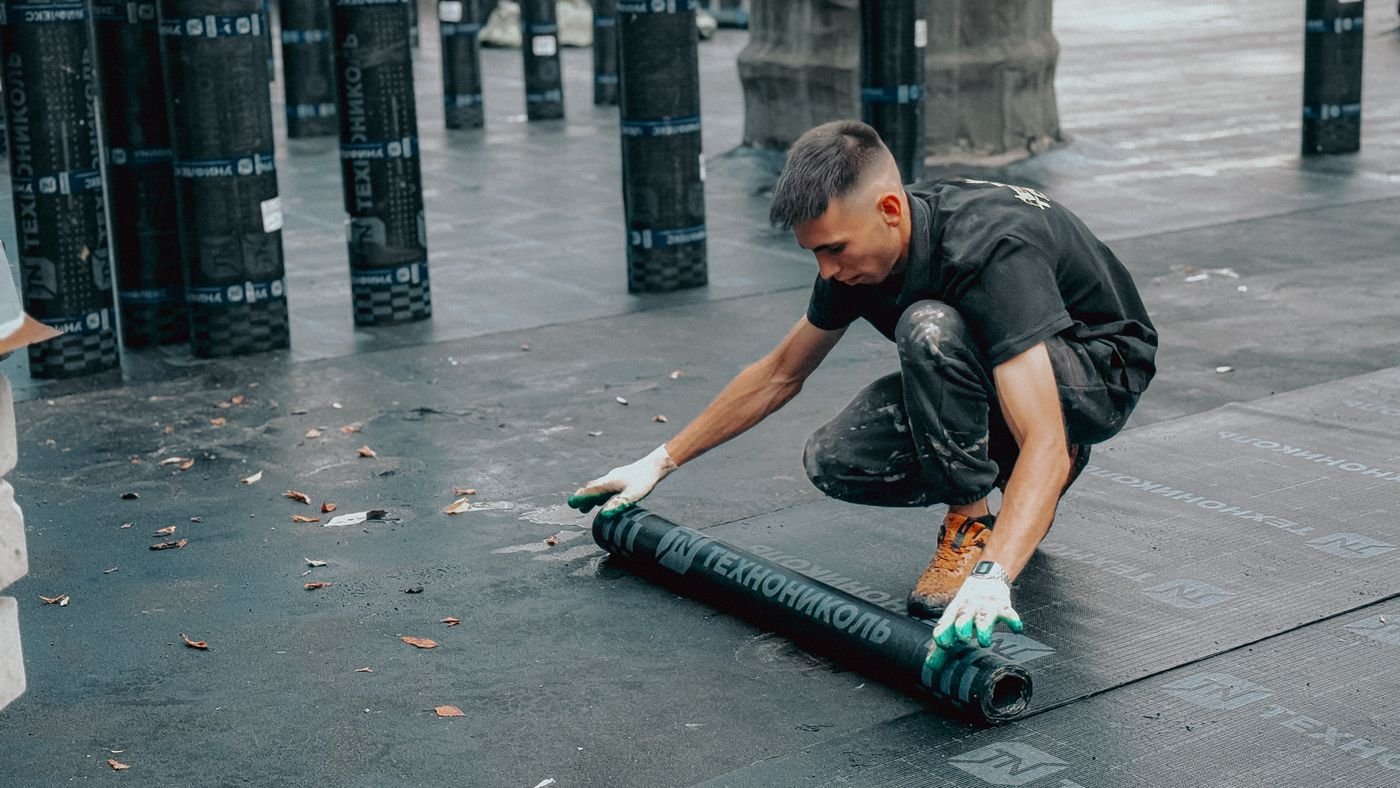
Concrete Waterproofing
Adds a membrane layer where the room sits above occupied space.
Mechanical, Boiler & Electrical Rooms: FAQ
Can you coat around equipment that cannot be moved?
Yes. We grind and coat around pumps, boilers and tanks by hand where needed. Bases and pads are detailed so the coating is continuous.
Do you build housekeeping pads?
Yes. We form and pour new pads and repair damaged ones. They can be coated with the floor for one sealed surface.
What if the room sits above offices or suites?
We recommend a waterproofing membrane under the topcoat and coves at the walls. This helps keep a leak from reaching the space below.
Can the room stay in service?
In most cases, yes. We plan the work in sections around equipment and coordinate any shutdowns with your operations staff.
Related industries
See what your floor will cost
Answer a few quick questions and see your estimate in about two minutes. A formal quote follows a site assessment.