
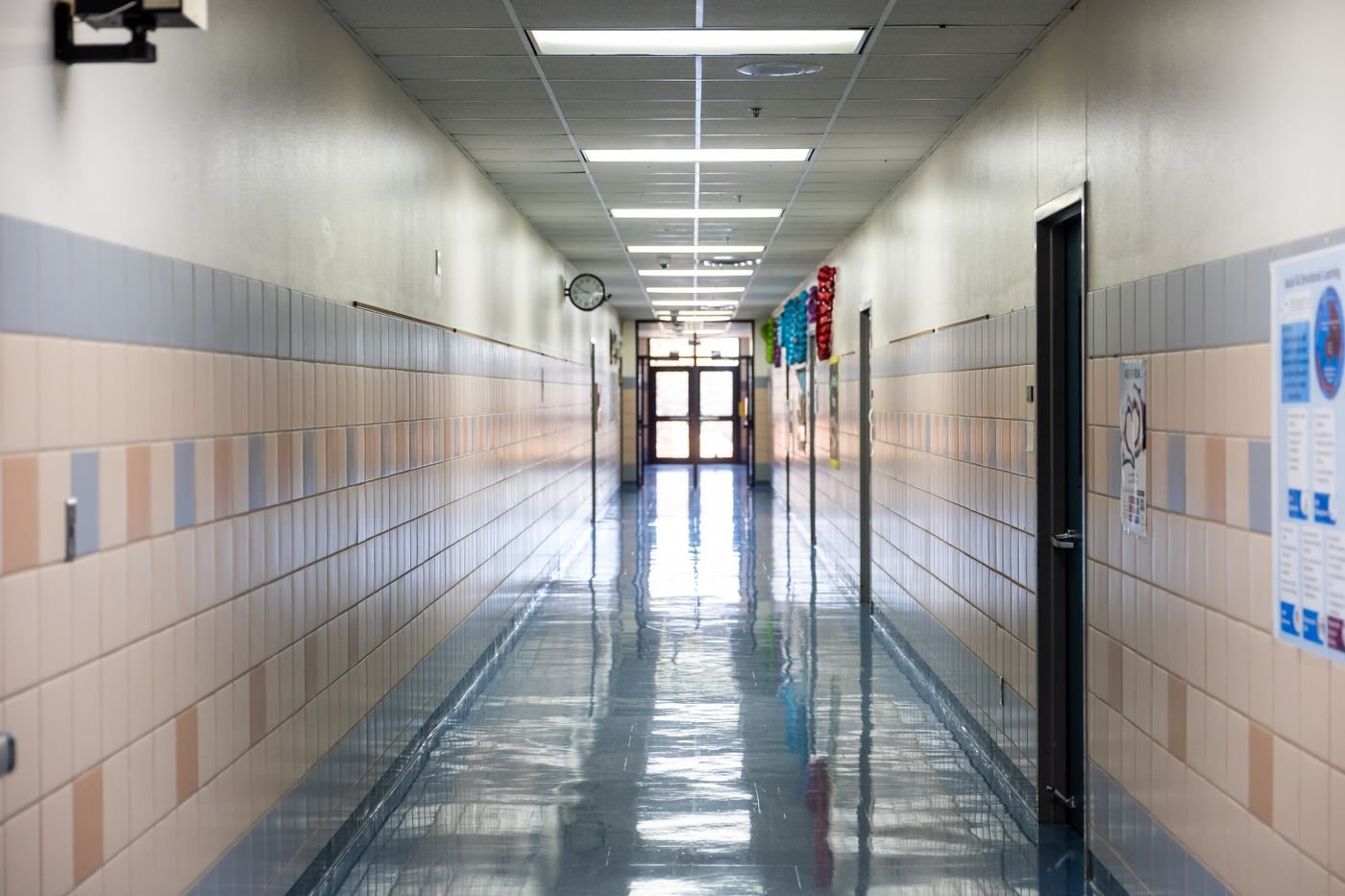
Quartz broadcast flooring for high-use commercial spaces
Quartz flooring locks coloured quartz aggregate into epoxy, then seals it with clear coats. The result is a hard-wearing, textured floor that holds up to water, cleaning and heavy foot traffic.
How a quartz system is built
The slab is diamond ground, repaired and primed. A layer of epoxy is applied and coloured quartz granules are broadcast into the wet resin until the surface is fully covered. Once it cures, the loose quartz is swept off and the floor is sanded. Many floors get a second broadcast for added thickness and strength.
Clear epoxy grout coats fill the space between the granules and lock them in place. The final topcoat is chosen for the space, often a urethane or polyaspartic for added abrasion and UV resistance. Integral cove base can be built in the same system so the floor and wall meet without a seam.
Texture you can adjust
Grip comes from the quartz itself. Fewer clear coats leave more texture for wet areas like showers and dish rooms. More coats give a smoother surface that is easier to clean in corridors and labs. We set the texture zone by zone, so one room can have more grip near drains and a smoother finish elsewhere.
Why facilities choose quartz
Quartz is a very hard aggregate, so the floor resists wear from carts, boots and daily scrubbing. The blended colours hide minor scuffs and dirt between cleanings. Because the system is seamless, there are no grout lines to stain or harbour bacteria. That is why quartz is often used in food service, healthcare and change rooms.
How a quartz broadcast flooring system is built
Every layer has a job. Here's what goes down, from the slab up.
Coloured quartz is broadcast into epoxy in one or two layers, then sealed. The result is hard, textured and decorative.
- Each coat goes down at the specified thickness
- Cure times are planned into your schedule
- The full system is listed in your formal quote
Why coves matter
A cove carries the floor up the wall in one seamless piece. There's no joint at the base of the wall for water, chemicals or bacteria to get into.
DELAGA installs radius and 45° coves from 2" to 9" high, in the same resin as the floor, so floor and wall base clean as one surface.
Common in commercial kitchens, food processing, hospitals and labs, manufacturing and mechanical rooms.
What you get
What the job includes
- Site assessment, moisture testing and colour selection
- Diamond grinding and repair of cracks and spalls
- Primer and epoxy broadcast coats with coloured quartz
- Clear grout coats and a topcoat matched to the space
- Integral cove base and drain detailing where specified
- Final inspection and care instructions
How a project runs
Every project starts with an instant estimate or a call, then a site assessment and a written quote before any work is scheduled.
Common in
Quartz Broadcast Flooring FAQ
How is quartz flooring different from flake epoxy?
Both are broadcast systems. Quartz uses hard, sand-sized granules that create a denser, more textured and more wear-resistant surface. Flake uses thin decorative chips and is usually chosen for appearance in lighter-duty areas. For wet rooms and heavy traffic, quartz is typically the stronger choice.
What affects the cost?
Floor area, slab condition, single or double broadcast, the topcoat, and extras like cove base and drain work. The instant estimate gives a starting range. We confirm the price after a site assessment, and travel and mobilization fees are not included in estimates.
Is a textured quartz floor hard to clean?
No, but grip and cleaning are a trade-off. A more textured finish needs a deck brush or an auto-scrubber with the right pad. We balance the two for each area and give you care instructions at handover.
Can you install it in a washroom that is in use?
The washroom has to be closed during the install and cure. We phase the work room by room so some facilities stay open, and we schedule around your operating hours where possible.
Related services
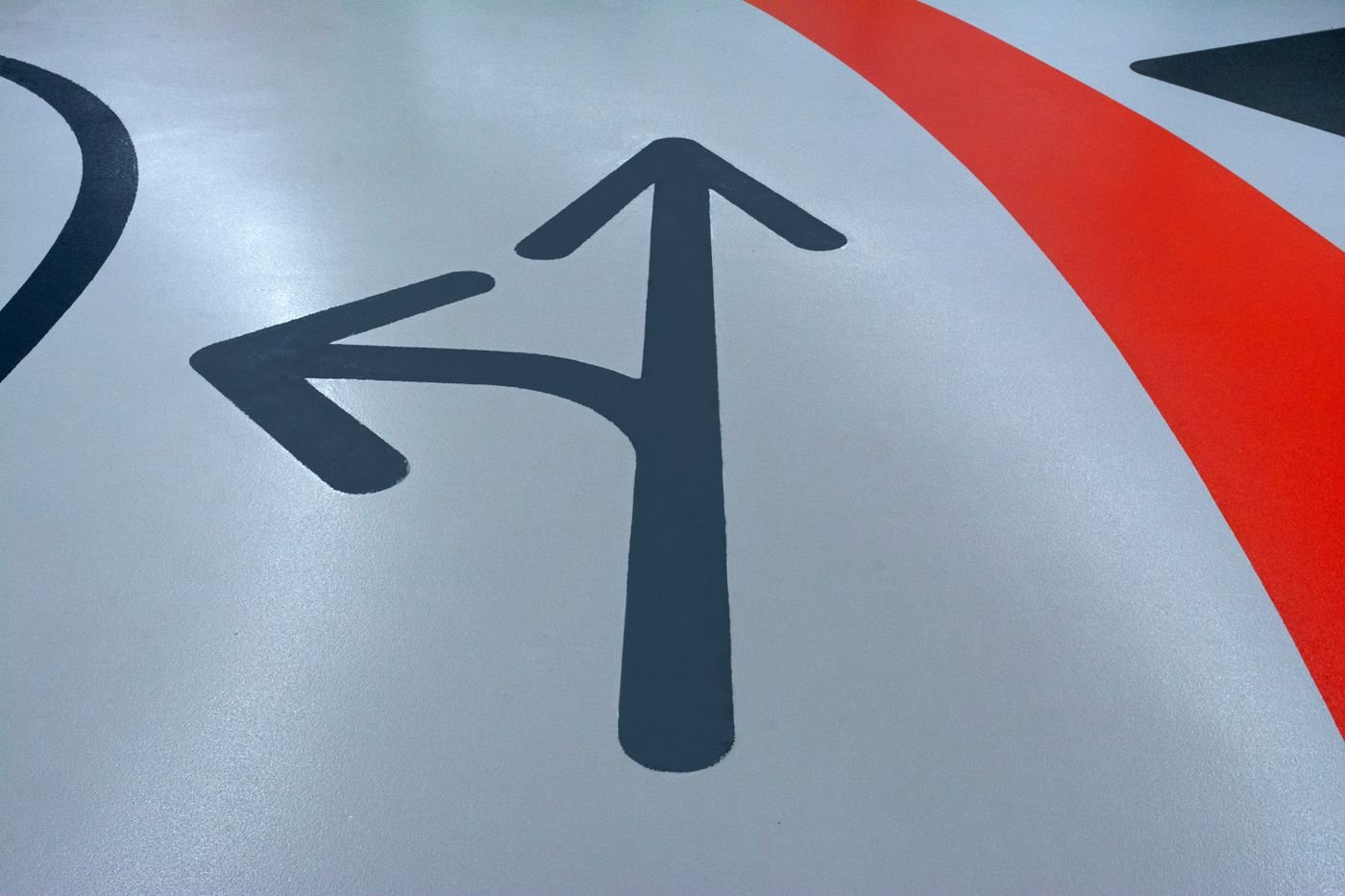
Anti-Slip Floor Coatings
Textured, slip-resistant floor coatings for wet areas, ramps, kitchens, stairs and loading zones.

Integral Coving
Seamless floor-to-wall cove base in the same resin as the floor. Radius or 45 degree coves from 2" up to 9" high.
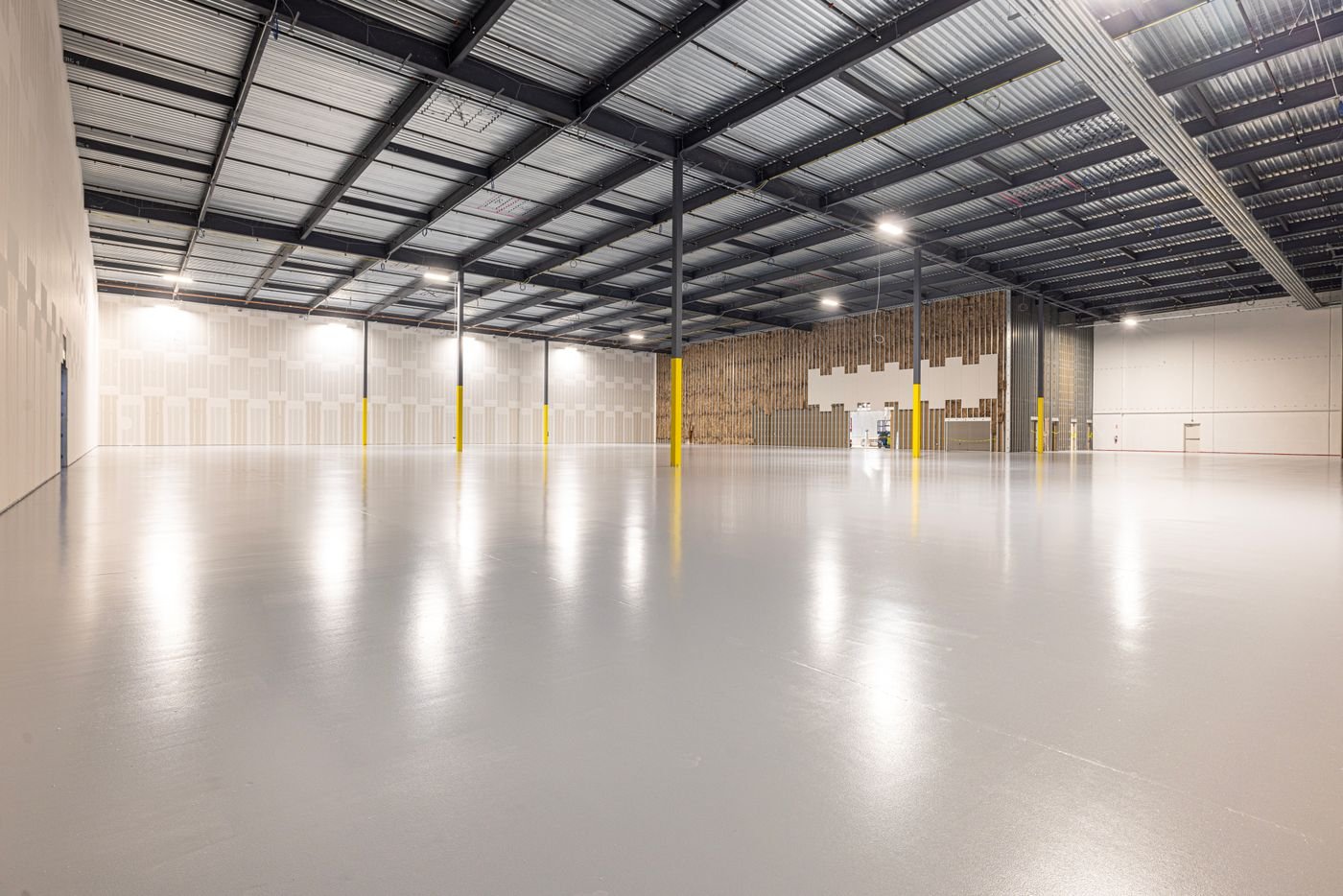
Epoxy Flooring
Seamless, chemical-resistant epoxy systems for warehouses, plants, kitchens and institutional floors across the GTA.
See what your floor will cost
Answer a few quick questions and see your estimate in about two minutes. A formal quote follows a site assessment.