
Anti-slip floor coatings for wet, sloped and high-risk areas
Slips and falls are a constant risk on wet, oily and sloped floors. Our anti-slip systems add texture to the surface while keeping it sealed and cleanable.
How anti-slip texture is built
Slip resistance comes from aggregate built into the coating. Fine aggregates, such as aluminum oxide or polymer beads, are mixed into or broadcast onto a topcoat to give a light texture. For more aggressive grip, quartz aggregate is fully broadcast into the base coat and then locked in with a seal coat.
Texture level is a balance. More texture means more grip, but also more effort to clean. We match the profile to the hazard, using a light texture in corridors and a coarser one on ramps, wash bays and areas with grease or standing water.
Where it matters most
Common problem areas include commercial kitchens, washrooms, entry vestibules, loading docks, ramps and stairs. Many facilities also add anti-slip zones around machines that throw off coolant or oil. Texture can cover the whole floor or only defined walkways and hazard zones.
Anti-slip can be part of a new epoxy, polyurethane or urethane cement system. It can also be added to an existing coated floor, as long as the current coating is sound.
Planning a safer floor
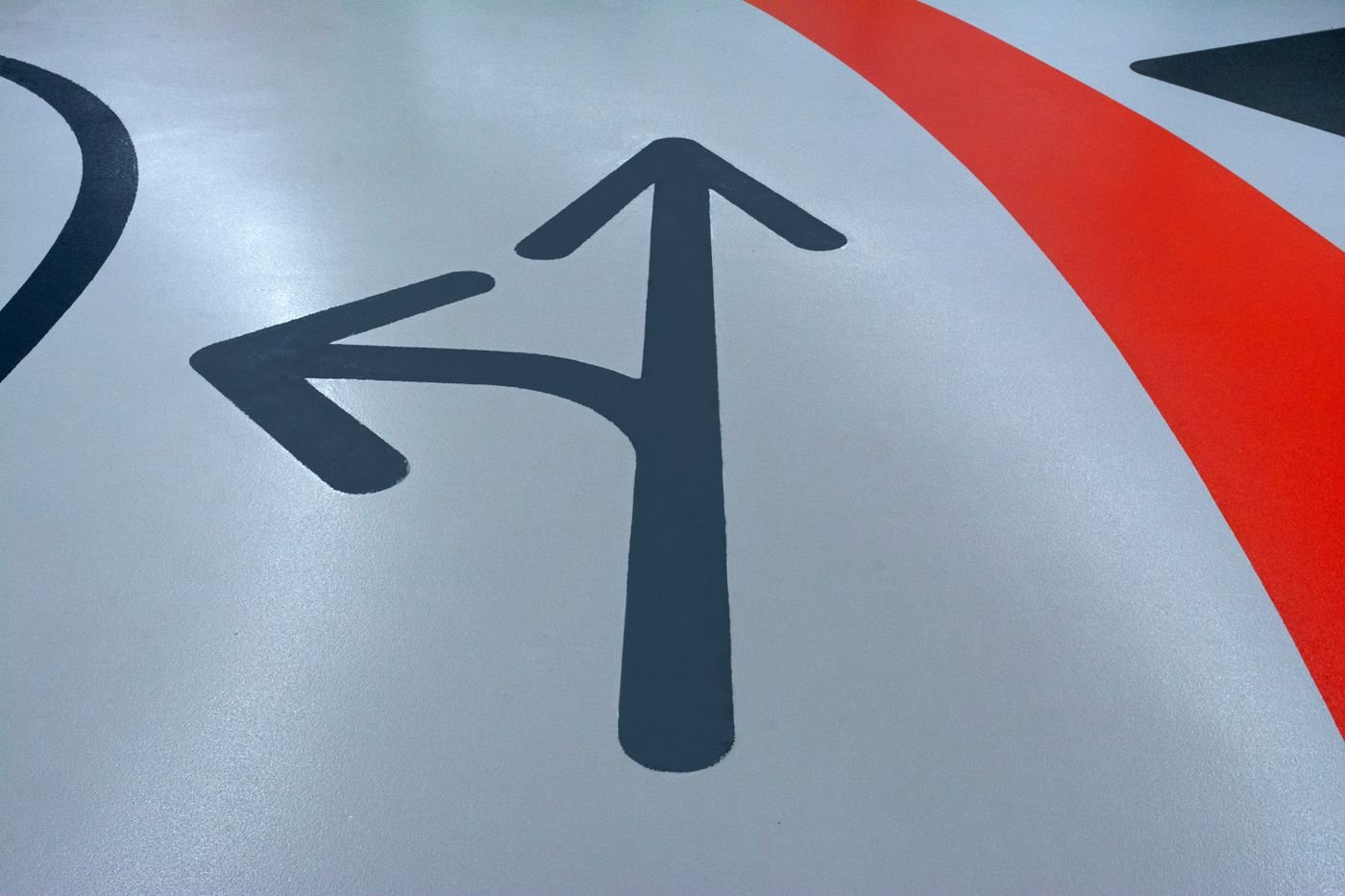
We start by walking the space with your team to see where slips actually happen. Spill points, washdown zones, doorways and ramps often need more texture than the rest of the floor. Marking those zones in a contrasting colour also helps staff see where conditions change.
How a anti-slip floor coatings system is built
Every layer has a job. Here's what goes down, from the slab up.
Aggregate is broadcast into the coating and locked under a topcoat. The texture can be fine, medium or aggressive.
- Each coat goes down at the specified thickness
- Cure times are planned into your schedule
- The full system is listed in your formal quote
What you get
What the job includes
- Review of hazard areas and traffic patterns
- Surface prep by grinding or abrading existing coatings
- Base coat with broadcast aggregate where heavy grip is needed
- Topcoat with mixed-in aggregate for light texture
- Marking of walkways and hazard zones
How a project runs
Every project starts with an instant estimate or a call, then a site assessment and a written quote before any work is scheduled.
Common in
Anti-Slip Floor Coatings FAQ
Can anti-slip be added to our existing floor?
Yes, if the current coating is well bonded. We abrade the surface and apply a textured topcoat. If the existing coating is failing, it should be removed first so the new texture does not peel away with it.
Will a textured floor be harder to clean?
Somewhat. Heavier texture holds more dirt and needs a deck brush or auto-scrubber with the right pads. We choose the lightest texture that controls the hazard so cleaning stays practical.
What affects the cost?
Area, prep required, aggregate type and whether the texture goes into a new system or over an existing one. Ramps and stairs take more labour per square foot. Use the instant estimate for a range, and we confirm after a site assessment.
How long does the texture last?
Broadcast systems hold their grip longer because the aggregate is locked into the coating. Light textures in topcoats can wear down in heavy traffic and may need a fresh topcoat over time. We advise on maintenance for your use.
Related services
Urethane Cement Flooring
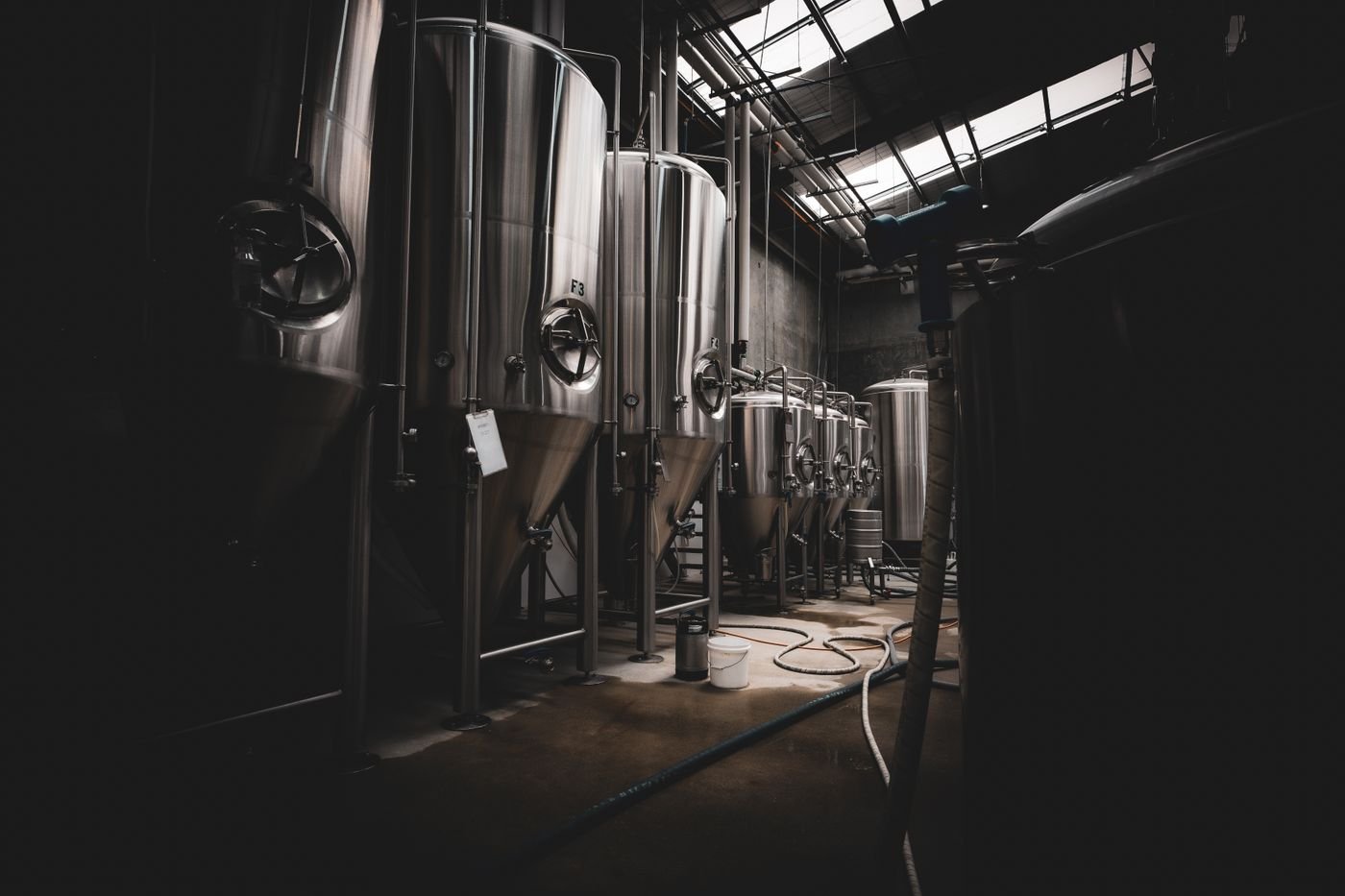
Heavy-duty urethane cement floors for food plants, kitchens and wet areas with heat, chemicals and washdowns.
Solid Colour Epoxy
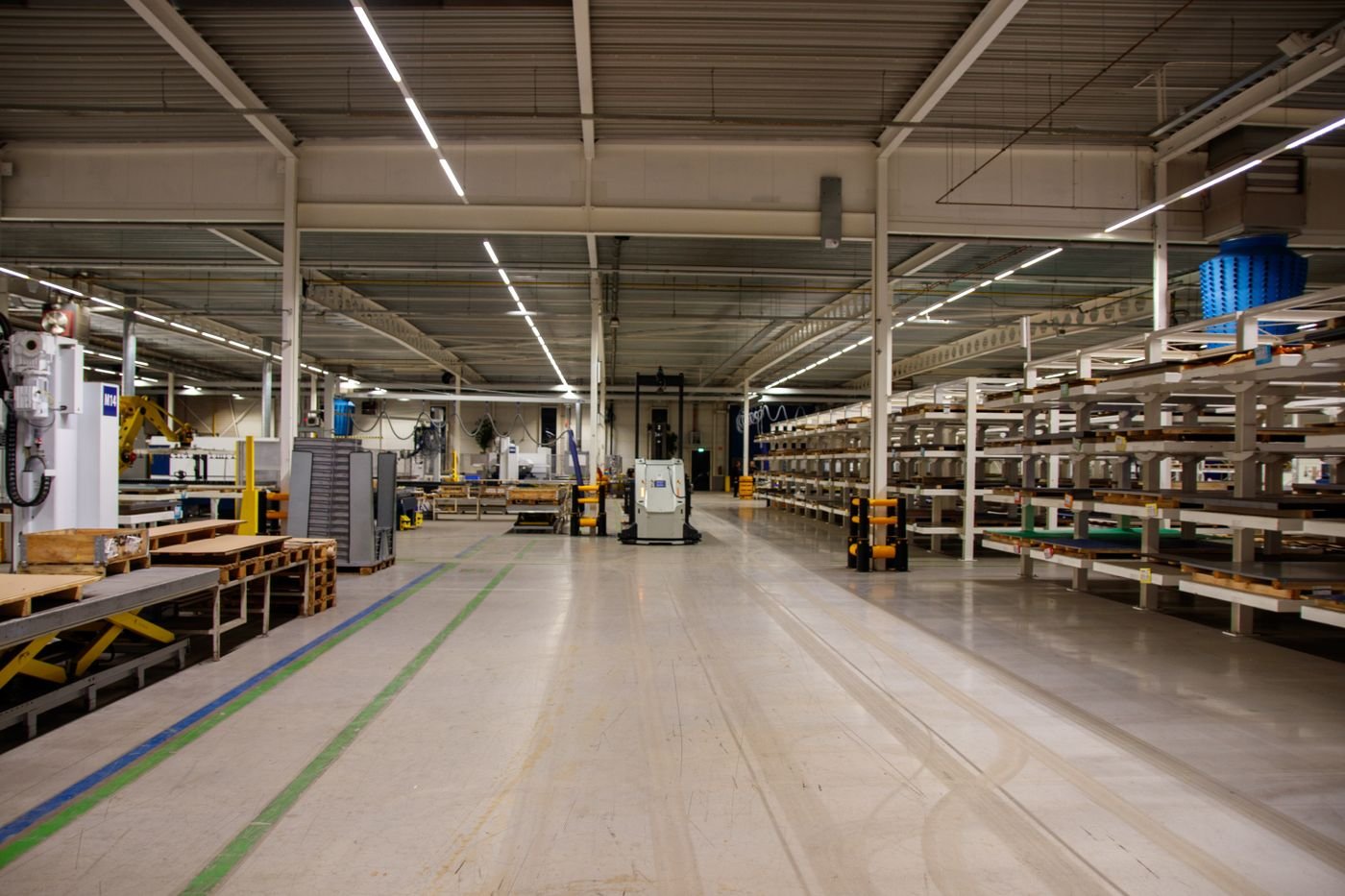
Durable single-colour epoxy coatings for working floors in plants, warehouses and back-of-house areas.
Slope-to-Drain
Re-sloping floors to drains with troweled mortar systems so water runs off instead of ponding.
See what your floor will cost
Answer a few quick questions and see your estimate in about two minutes. A formal quote follows a site assessment.