
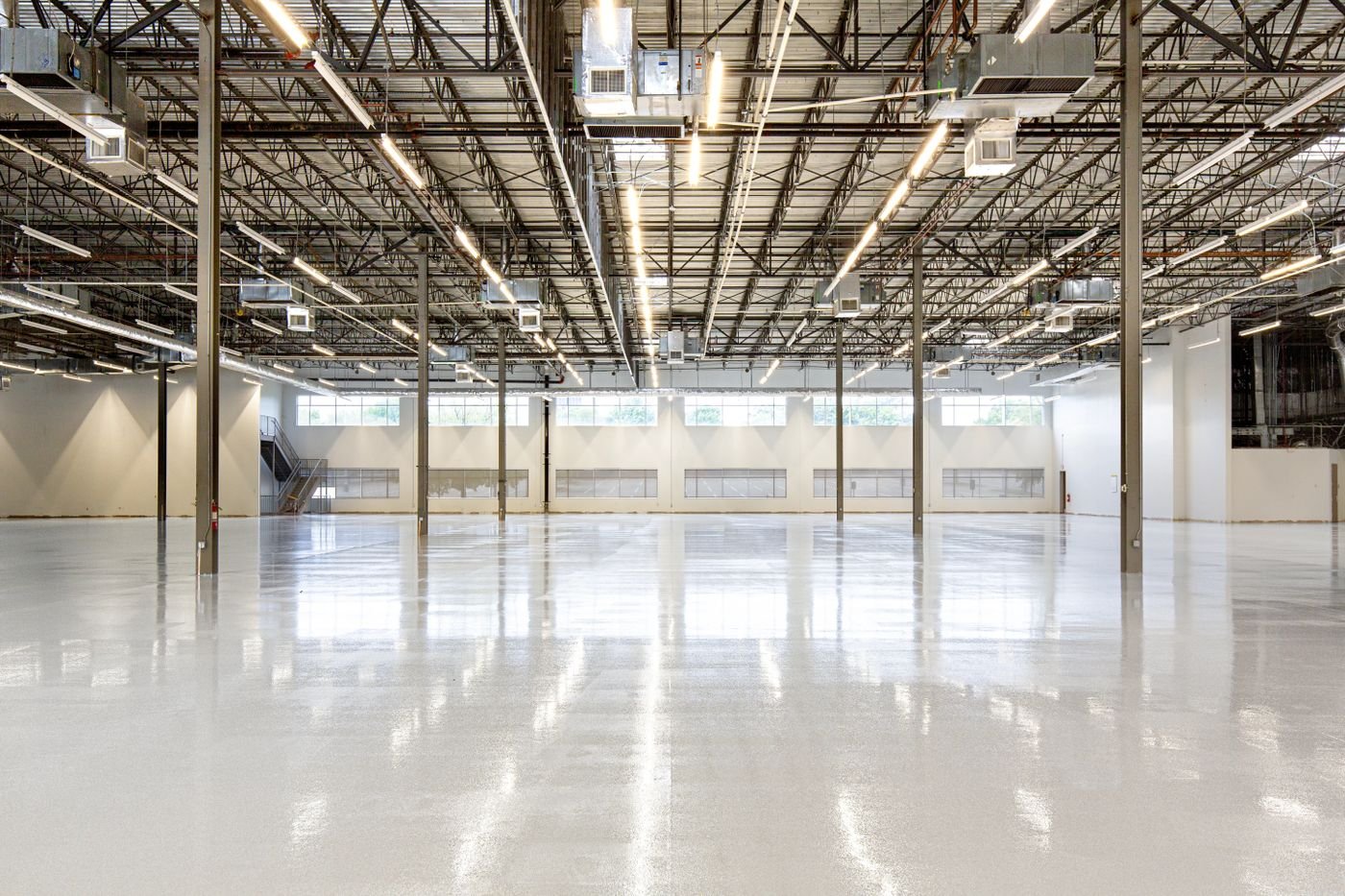
Grind and seal concrete floors for practical, cost-effective protection
A lighter alternative to full polishing or a resin system. We grind the slab to clean it up, then seal it to reduce dust, block stains and make cleaning easier.
What grind and seal includes
Grind and seal starts with diamond grinding to remove contamination, old sealers and weak surface laitance. The grind is usually light, enough to clean and even out the slab without the full multi-step refinement of polished concrete.
We then apply a sealer suited to the space. A densifier with a penetrating sealer hardens the surface and keeps a natural concrete look. A film-forming sealer, such as a water-based urethane or acrylic, adds a satin or gloss finish and more stain protection, but it will need recoating over time.
When it makes sense
Grind and seal is a good fit when you want a clean, sealed, consistent floor without the cost of a full coating or a high-gloss polish. It works well in storage areas, retail back rooms, light industrial spaces and offices with an exposed concrete look.
It is not a replacement for a resin system in areas with heavy chemicals, standing water or aggressive wear. If those conditions apply, we will tell you and suggest a better option.
What to expect on site
We start with a small test area to confirm how the slab responds and how the sealer looks. Grinding runs with HEPA dust extraction, so work can proceed in occupied buildings. Edges along walls and racking are finished with hand grinders so the sealed floor is consistent wall to wall.
HEPA dust extraction on every machine
Our grinders run hooked up to industrial HEPA vacuum systems that capture dust right at the head, for a virtually dust-free job site. Occupied areas can stay open while we work.
The result is a virtually dust-free site, safe for occupied buildings, finished interiors and active job sites. Silica dust is controlled from the first pass to the last.
- Cleaner air for staff, tenants and trades
- Less cleanup and downtime
- Occupied areas can stay open

How a grind & seal system is built
Every layer has a job. Here's what goes down, from the slab up.
The slab is ground to open the surface, densified to harden it, then sealed to stop dust and resist stains.
- Each coat goes down at the specified thickness
- Cure times are planned into your schedule
- The full system is listed in your formal quote
What you get
What the job includes
- Light diamond grinding to remove contaminants
- Removal of old sealer or residue
- Crack and joint touch-up
- Densifier application where specified
- Penetrating or film-forming sealer application
- Maintenance guidance and recoat schedule
How a project runs
Every project starts with an instant estimate or a call, then a site assessment and a written quote before any work is scheduled.
Grind & Seal FAQ
How is grind and seal different from polished concrete?
Polishing refines the slab through many grit levels to create a hard, reflective surface with no coating. Grind and seal uses fewer grinding steps and relies on a sealer for protection and sheen. It costs less, but sealers wear and need recoating.
How long does the sealer last?
Penetrating sealers last longer because they sit in the concrete, not on it. Film-forming sealers wear with traffic and typically need recoating every few years in busy areas. We give you a realistic schedule based on your use.
What drives the cost?
Floor area, depth of grinding, removal of existing coatings and the sealer type. Open floors cost less per square foot than small rooms. The instant estimate gives a starting range, and we confirm after a site assessment.
How soon can we use the floor?
Penetrating sealers usually allow foot traffic within hours. Film-forming sealers need longer, often overnight, before normal use. We schedule the work so you lose as little time as possible.
Related services
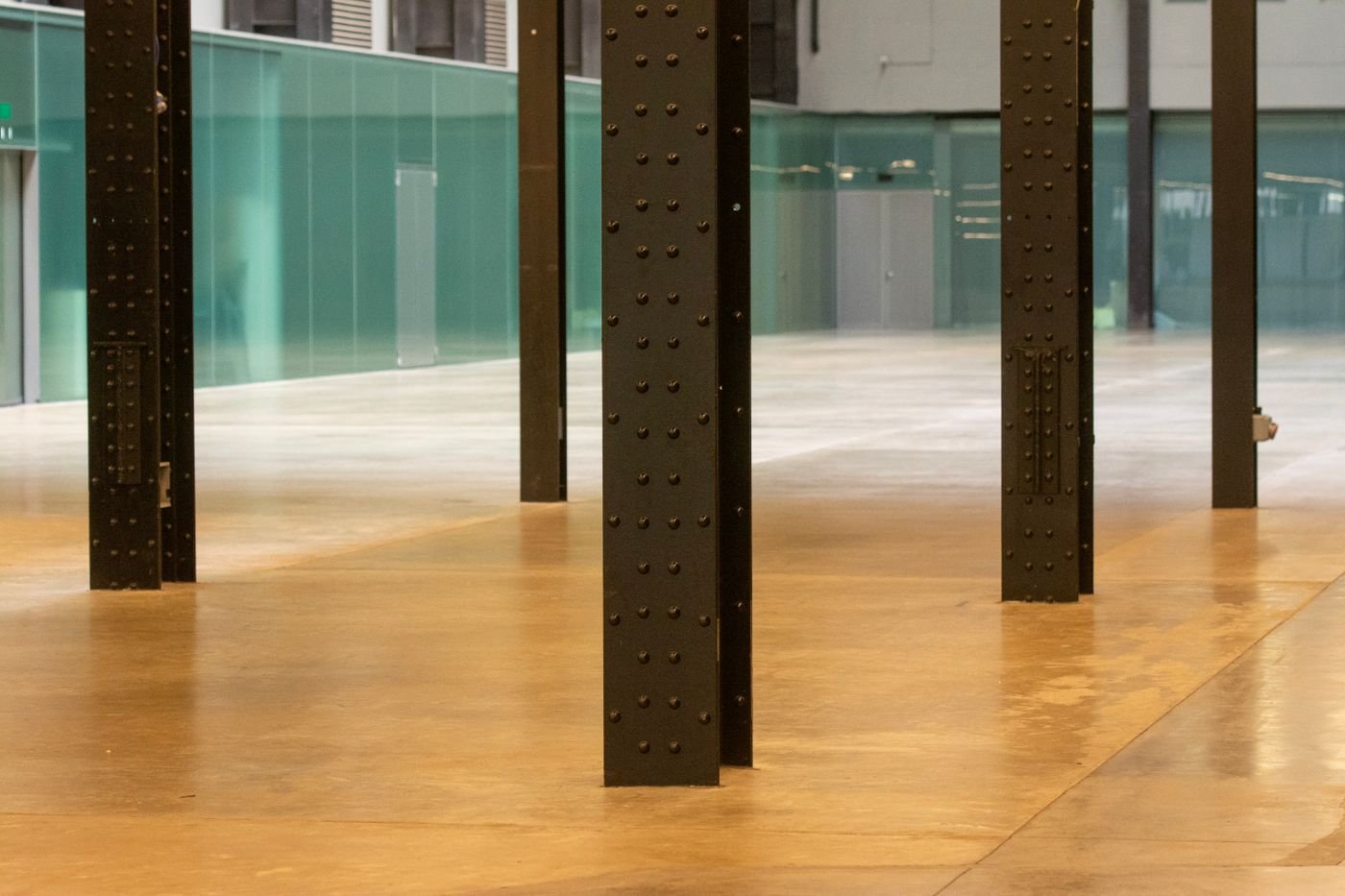
Polished Concrete
Mechanically ground and polished concrete with densifier and guard for low-maintenance, high-traffic floors.
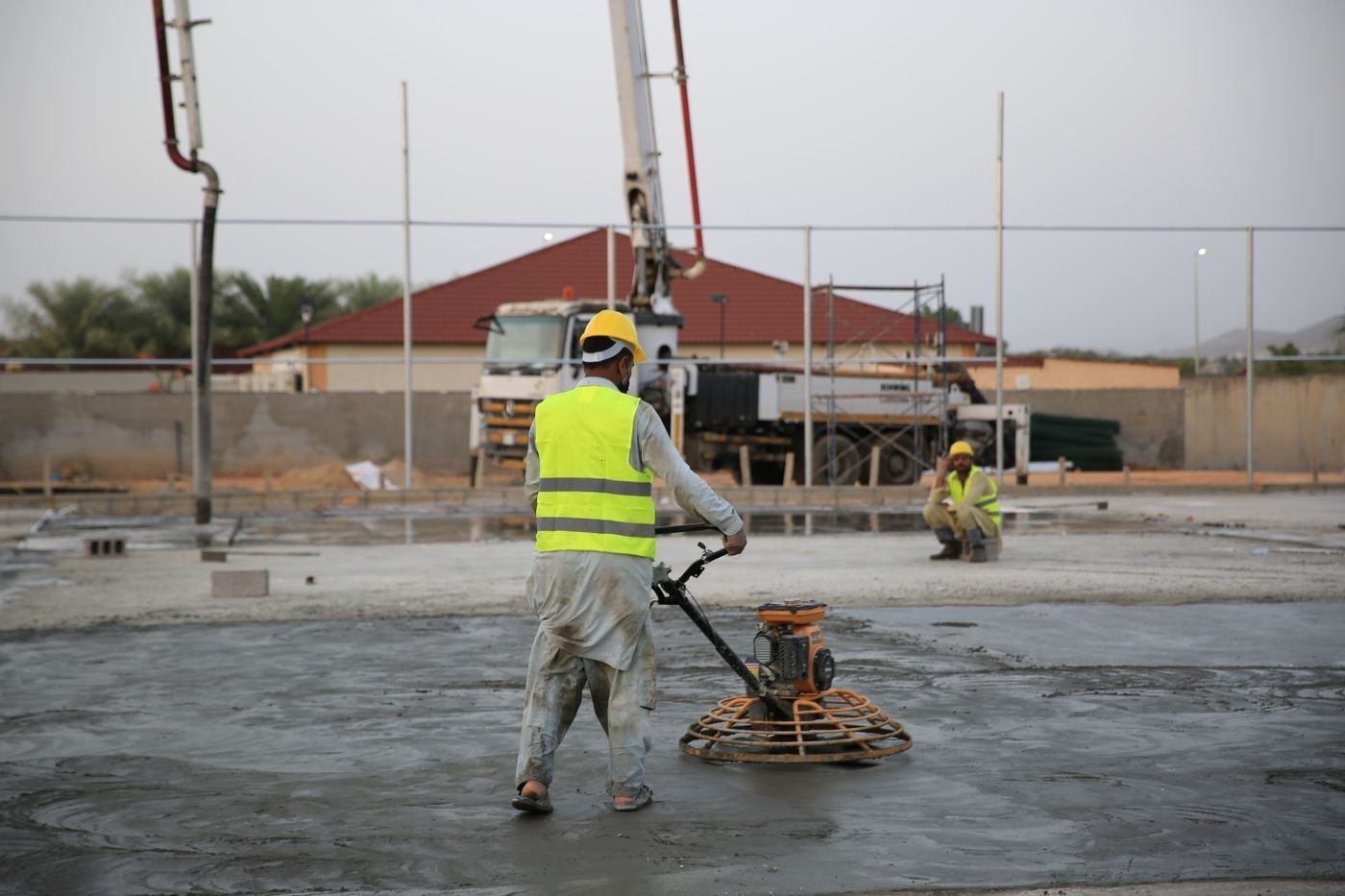
Concrete Grinding & Surface Prep
Diamond grinding and shot blasting to the correct surface profile for coatings, overlays and polishing.
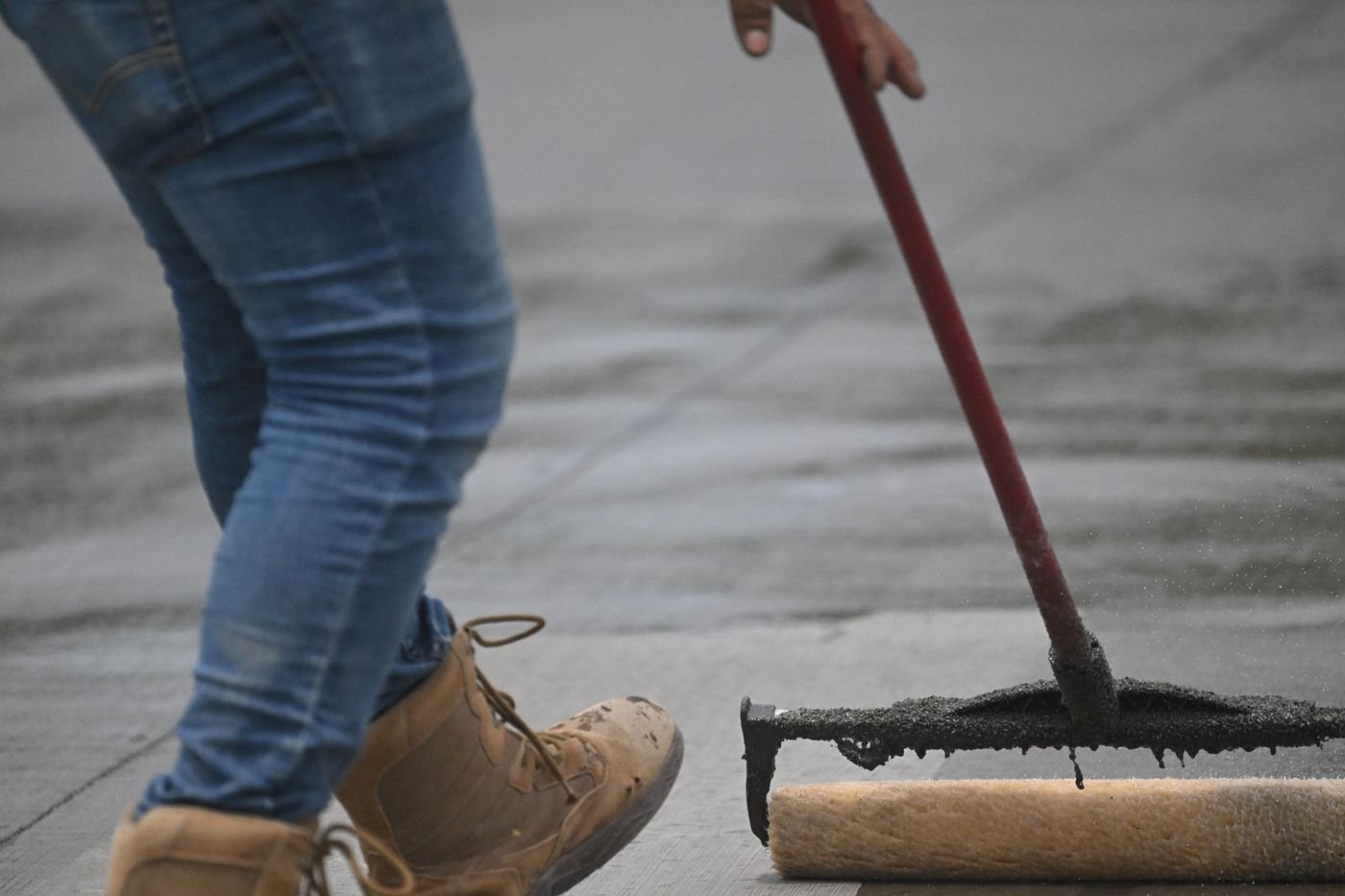
Concrete & Crack Repair
Crack, spall and slab repairs that restore damaged concrete and prepare it for coatings or traffic.
See what your floor will cost
Answer a few quick questions and see your estimate in about two minutes. A formal quote follows a site assessment.