
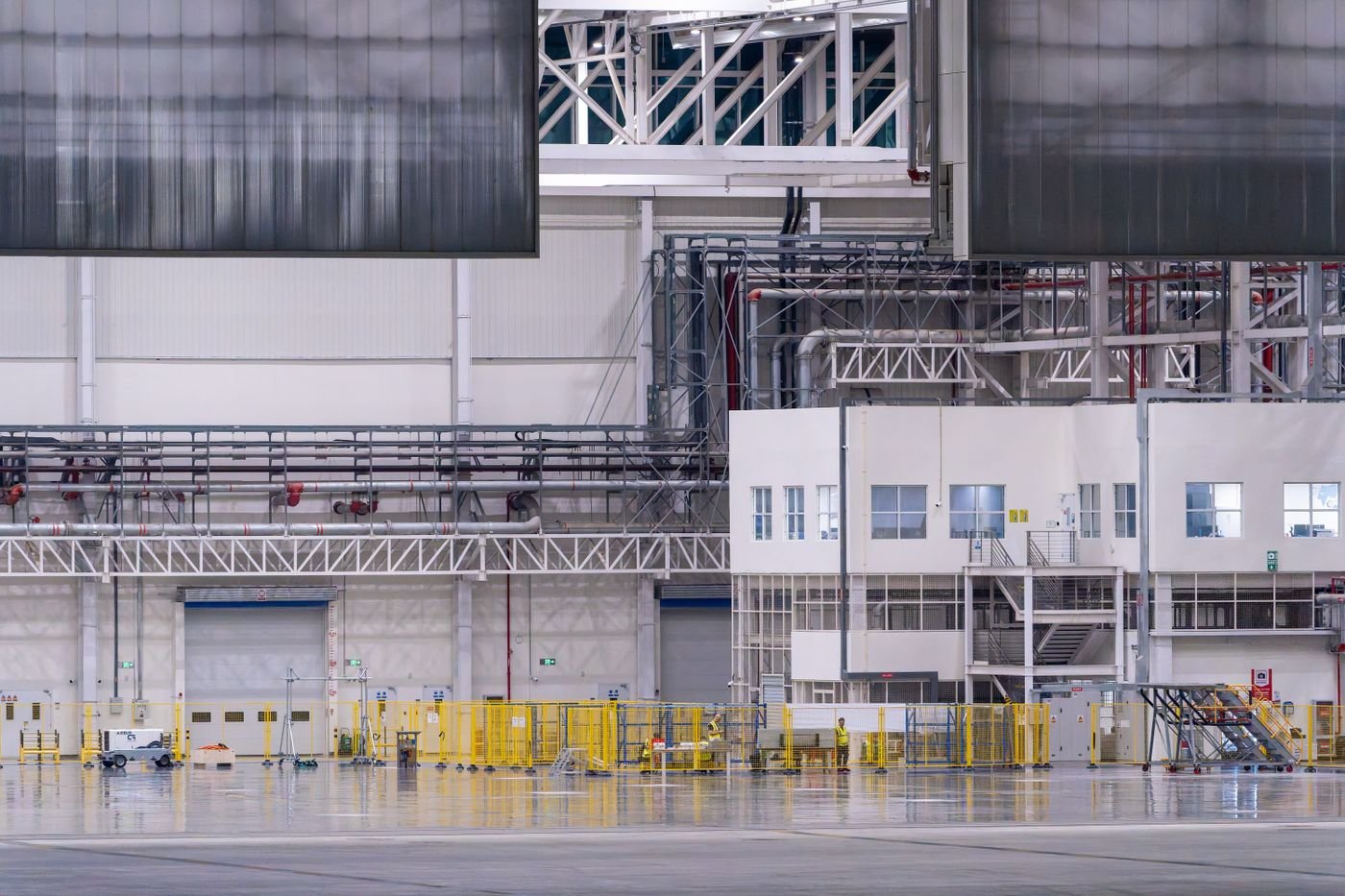
Polyurethane and polyaspartic floor coatings for fast, durable results
When downtime is limited or a floor needs a harder-wearing top layer, polyaspartic and polyurethane coatings deliver fast cure, UV stability and strong abrasion resistance.
What these coatings do
Polyurethane and polyaspartic coatings are most often used as topcoats over epoxy, flake or other systems. They resist abrasion and scratching better than epoxy alone, and they do not yellow in sunlight the way many epoxies do. That makes them the standard finish over decorative floors and floors near windows or overhead doors.
Polyaspartic is a type of aliphatic polyurea. Its main advantage is speed. Depending on the product and temperature, it can be recoated within hours and returned to service much sooner than a typical epoxy system. That is useful in retail, food service and institutional spaces that cannot close for long.
Using them the right way
Fast cure comes with trade-offs. Polyaspartic has a short working time, so crew size and sequencing matter on large floors. It also needs a well-prepared surface, because it does not forgive poor bonding. We grind to the correct profile and often use an epoxy primer or base coat underneath for better penetration and build.
Polyurethane topcoats cure slower but offer excellent chemical and scratch resistance. They are common in kitchens, labs and areas with frequent cleaning. Matte, satin and gloss finishes are available, and anti-slip aggregate can be added.
Temperature and humidity affect both products. Polyaspartic reacts faster in warm, humid conditions, so we plan mixing, crew size and work zones around site conditions. That control is what gives a consistent finish across a large floor.
How a polyurethane & polyaspartic coatings system is built
Every layer has a job. Here's what goes down, from the slab up.
A fast-cure polyaspartic or polyurethane topcoat adds UV stability and abrasion resistance over the base system.
- Each coat goes down at the specified thickness
- Cure times are planned into your schedule
- The full system is listed in your formal quote
What you get
What the job includes
- Grinding to the required surface profile
- Epoxy primer or base coat where specified
- Polyaspartic or polyurethane topcoat application
- Anti-slip aggregate in wet or sloped areas
- Recoating of existing worn topcoats
How a project runs
Every project starts with an instant estimate or a call, then a site assessment and a written quote before any work is scheduled.
Polyurethane & Polyaspartic Coatings FAQ
How fast can a polyaspartic floor be back in use?
It depends on the product, temperature and humidity, but polyaspartic floors can often take foot traffic the same day or the next. Vehicle traffic usually needs longer. We give you a specific timeline before booking.
Can you recoat an existing epoxy floor?
Yes, if the existing floor is well bonded. We clean and abrade the old surface, repair damaged areas and apply a fresh topcoat. It is a practical way to restore a worn floor without starting over.
What drives the cost of these coatings?
Surface prep, area, number of coats and whether the work is a topcoat or a full system. The crew size needed for fast-cure products on large floors is also a factor. Contact us and we will confirm pricing after a site assessment.
Is polyaspartic better than epoxy?
Not in every case. Polyaspartic cures faster and resists UV, while epoxy builds thicker and penetrates better as a base. Many of the best systems use both, with epoxy below and a polyaspartic or polyurethane topcoat above.
Related services
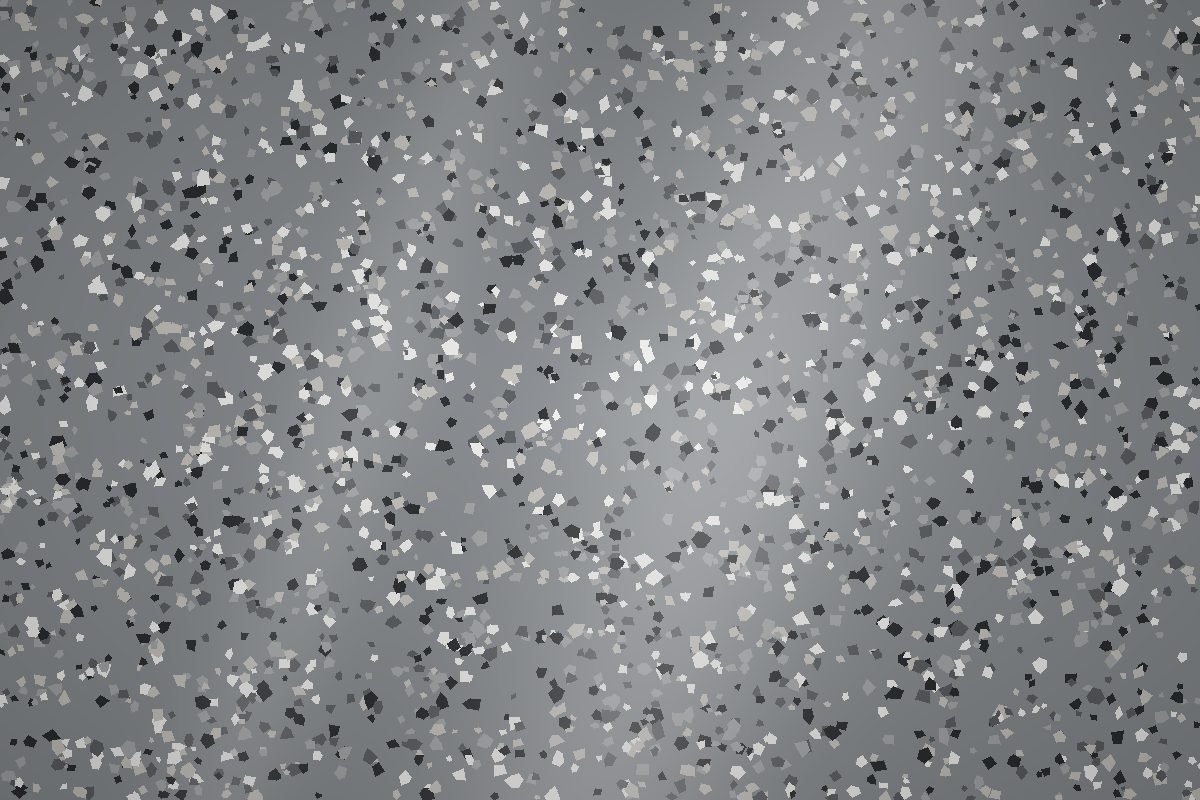
Flake Epoxy Flooring
Textured epoxy with decorative vinyl flake for change rooms, corridors, kitchens and high-traffic areas.

Metallic Epoxy
Decorative metallic epoxy with depth and movement for showrooms, lobbies, retail and offices.
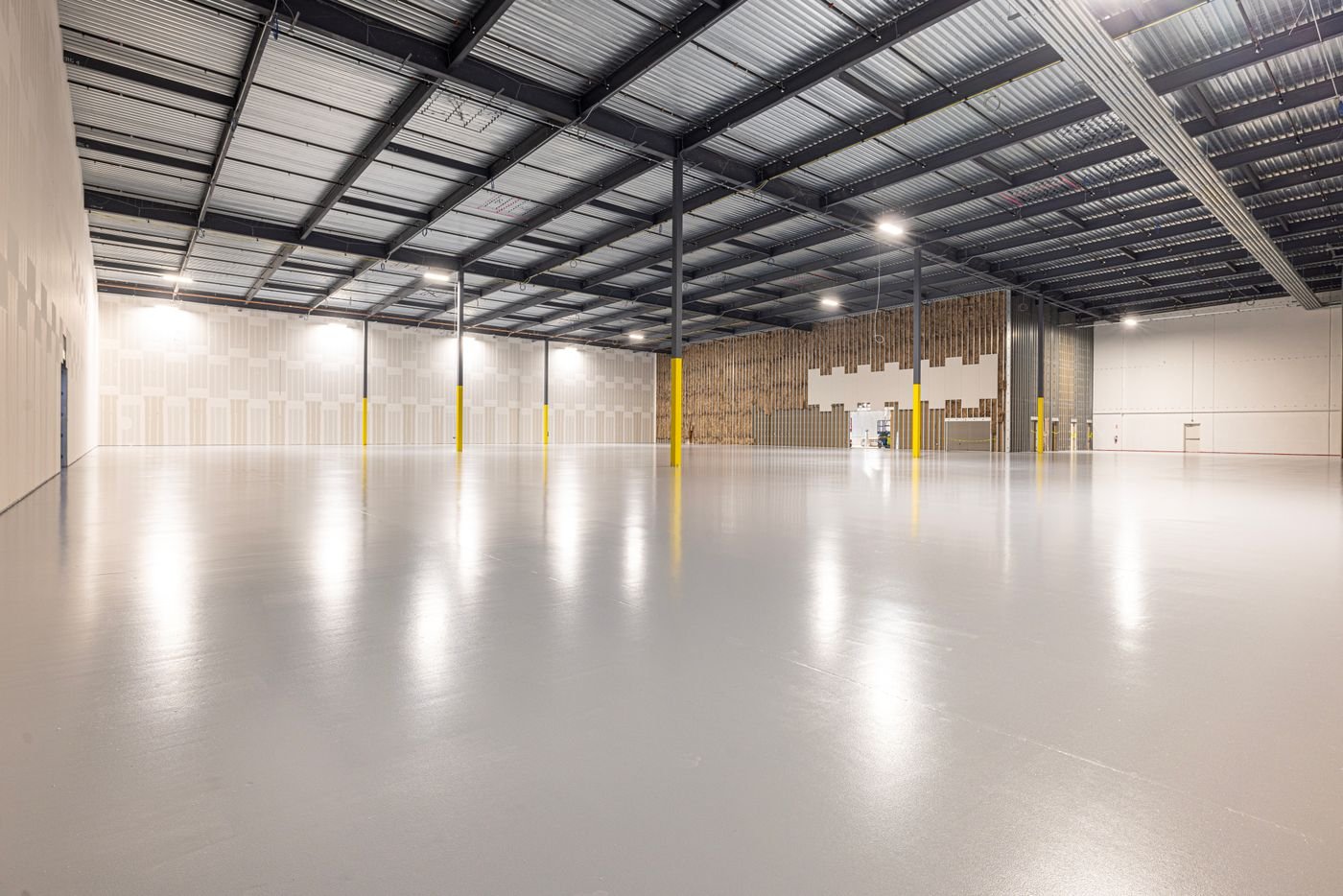
Epoxy Flooring
Seamless, chemical-resistant epoxy systems for warehouses, plants, kitchens and institutional floors across the GTA.
See what your floor will cost
Answer a few quick questions and see your estimate in about two minutes. A formal quote follows a site assessment.