
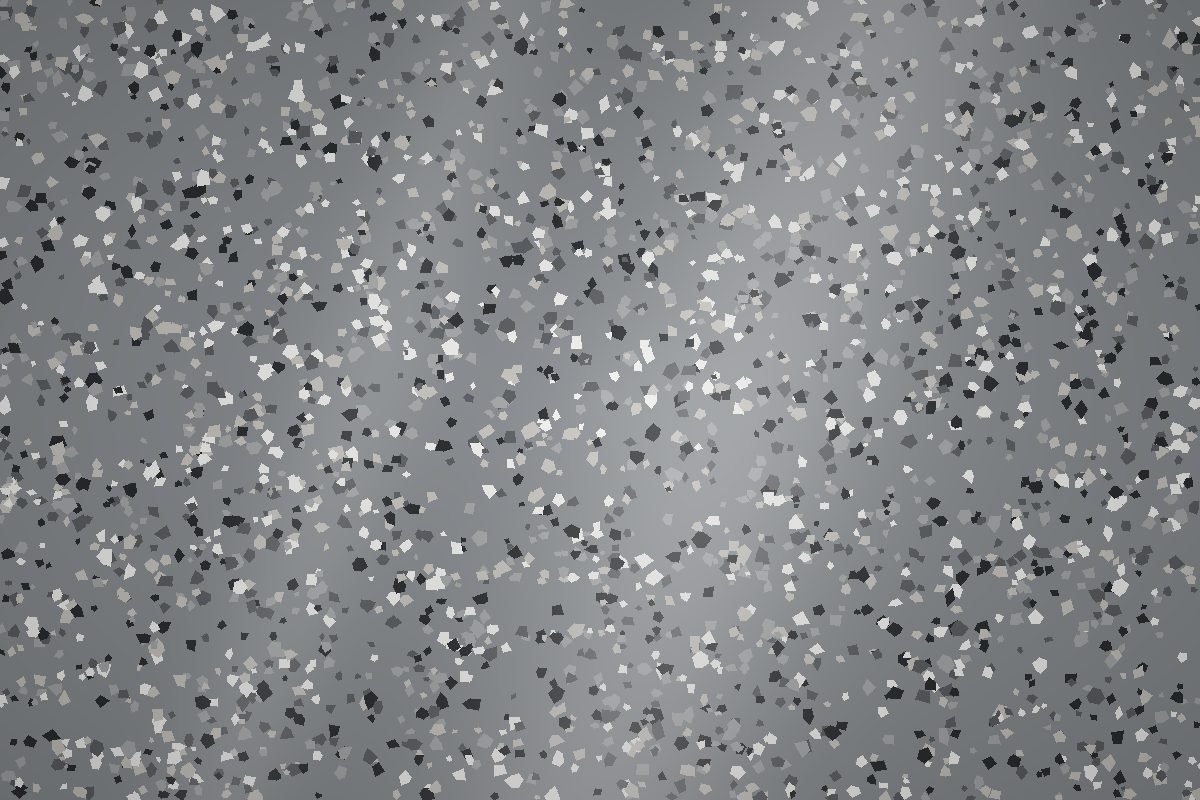
Flake epoxy flooring for high-traffic commercial areas
Decorative vinyl flake broadcast into epoxy creates a textured, multi-tone floor that hides wear and gives better footing than a smooth coating.
How a flake floor is built
After grinding and repairs, we apply a pigmented epoxy base coat and broadcast vinyl flake into it while it is still wet. In a full broadcast, flake is added until the surface is completely covered. Once cured, the loose flake is scraped and vacuumed off, leaving a textured, even layer.
The floor is then sealed with one or two clear topcoats. Polyaspartic or polyurethane topcoats are common because they resist scratching and do not yellow under light. The topcoat can be left with more texture for grip or rolled smoother for easier cleaning.
Why facilities choose flake
The speckled pattern hides scuffs, dust and small marks between cleanings, which matters in busy corridors and washrooms. The flake texture also gives better footing than a smooth coating, especially near sinks and showers.
Flake pairs well with an integral cove base that runs up the wall, giving washrooms and kitchens a seamless, sanitary transition. It is also a popular choice for residential garages, though most of our flake work is commercial.
On larger projects, one flake blend can run through corridors, washrooms and service rooms, which keeps finishes consistent across a building. Work is phased so washrooms and change rooms are closed for as short a time as possible.
How a flake epoxy flooring system is built
Every layer has a job. Here's what goes down, from the slab up.
Flakes are broadcast into the wet base coat, then sealed under a clear polyaspartic topcoat that resists UV and wear.
- Each coat goes down at the specified thickness
- Cure times are planned into your schedule
- The full system is listed in your formal quote
Pick your colour
Tap any colour to see it on a floor. Physical samples and full fan decks come to every site assessment.
What you get
What the job includes
- Diamond grinding and crack repair
- Pigmented epoxy base coat
- Full broadcast of vinyl flake
- Scraping and vacuuming of excess flake
- Clear polyaspartic or polyurethane topcoats
- Optional integral cove base at walls
How a project runs
Every project starts with an instant estimate or a call, then a site assessment and a written quote before any work is scheduled.
Common in
Flake Epoxy Flooring FAQ
How long does a flake floor install take?
A typical commercial area takes two to four days, including grinding, base coat, flake and topcoats. Faster-curing topcoats can shorten that. We confirm timing once we know the size and condition of the floor.
What affects the price?
Area, slab repairs, flake size and blend, topcoat type and whether cove base is included. Small rooms with a lot of wall length cost more per square foot than open floors. Start with the instant estimate, then we confirm after a site assessment.
Is a flake floor hard to clean?
No. Once sealed, the surface is non-porous and can be mopped or machine scrubbed. A smoother topcoat is easier to clean, while a more textured one gives more grip, and we help you pick the right balance.
Can it go over ceramic tile or VCT?
We generally remove tile and VCT and coat the concrete underneath. That gives a stronger bond and avoids cracking and failures along old grout lines. We can handle the removal as part of the same job.
Related services
Epoxy Flooring
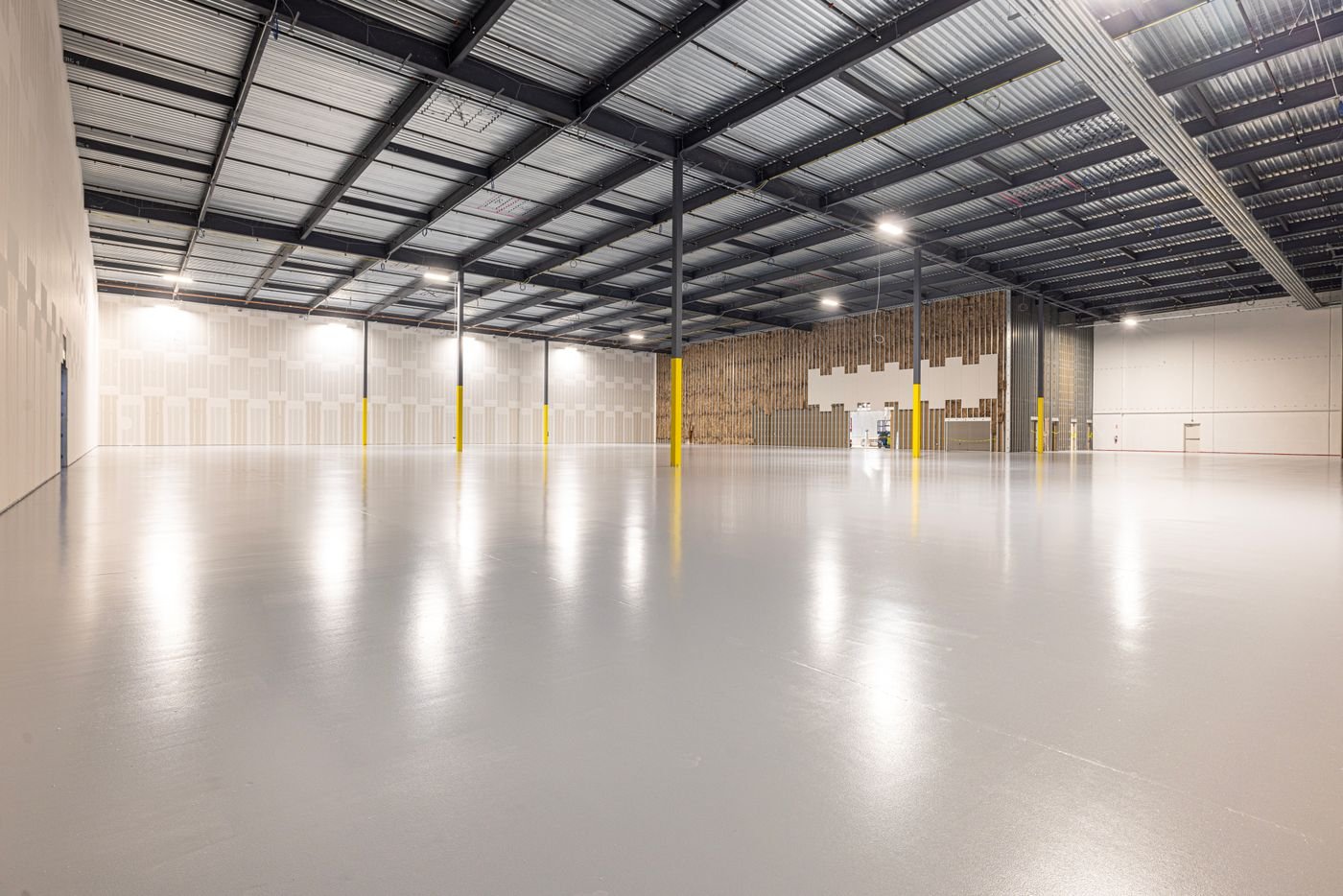
Seamless, chemical-resistant epoxy systems for warehouses, plants, kitchens and institutional floors across the GTA.

Polyurethane & Polyaspartic Coatings
Fast-curing, UV-stable polyaspartic and polyurethane coatings for quick turnarounds and tough topcoats.
Flooring Removal
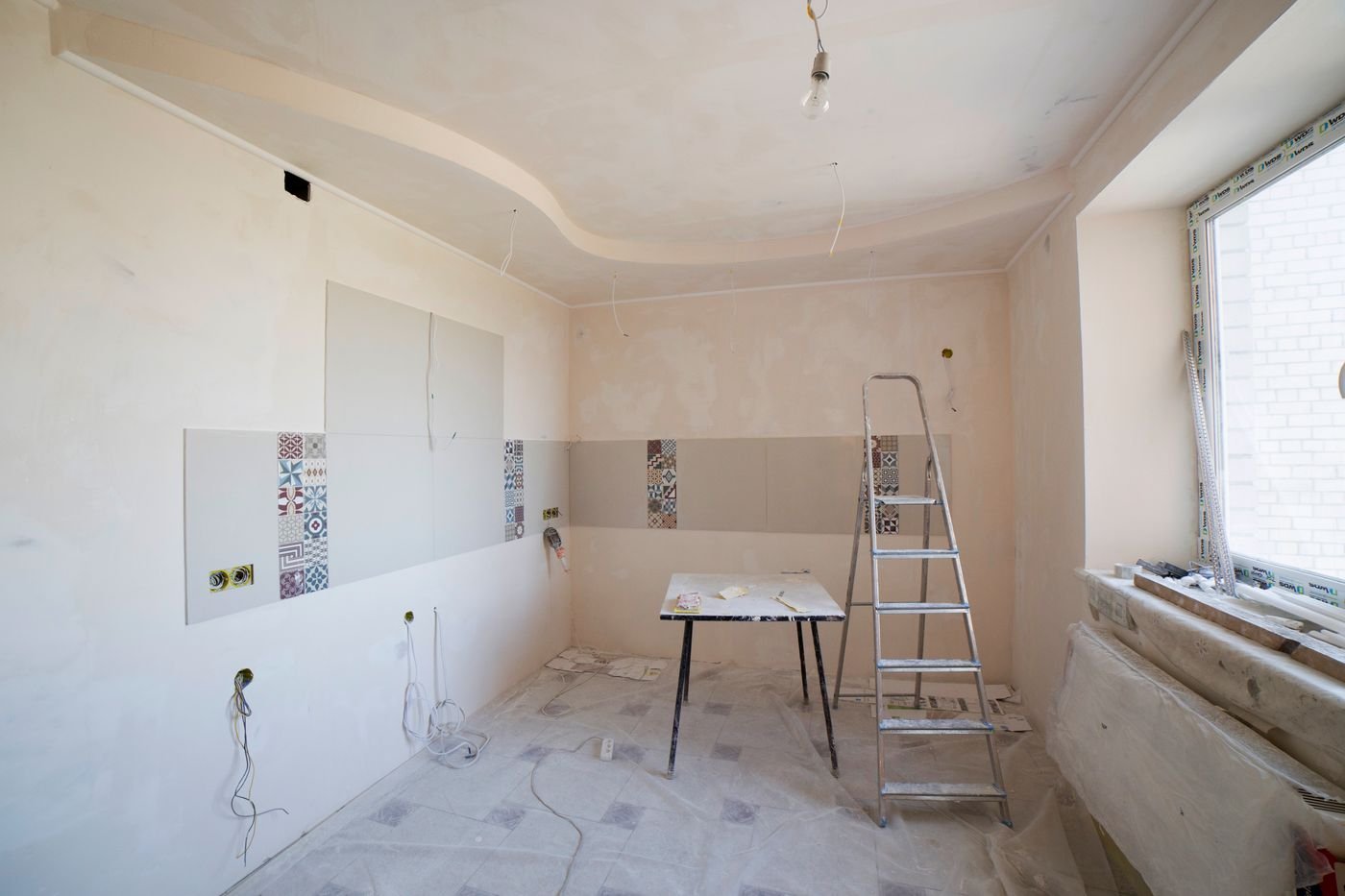
Removal of tile, VCT, carpet, coatings and adhesives down to clean concrete, ready for new flooring.
See what your floor will cost
Answer a few quick questions and see your estimate in about two minutes. A formal quote follows a site assessment.