
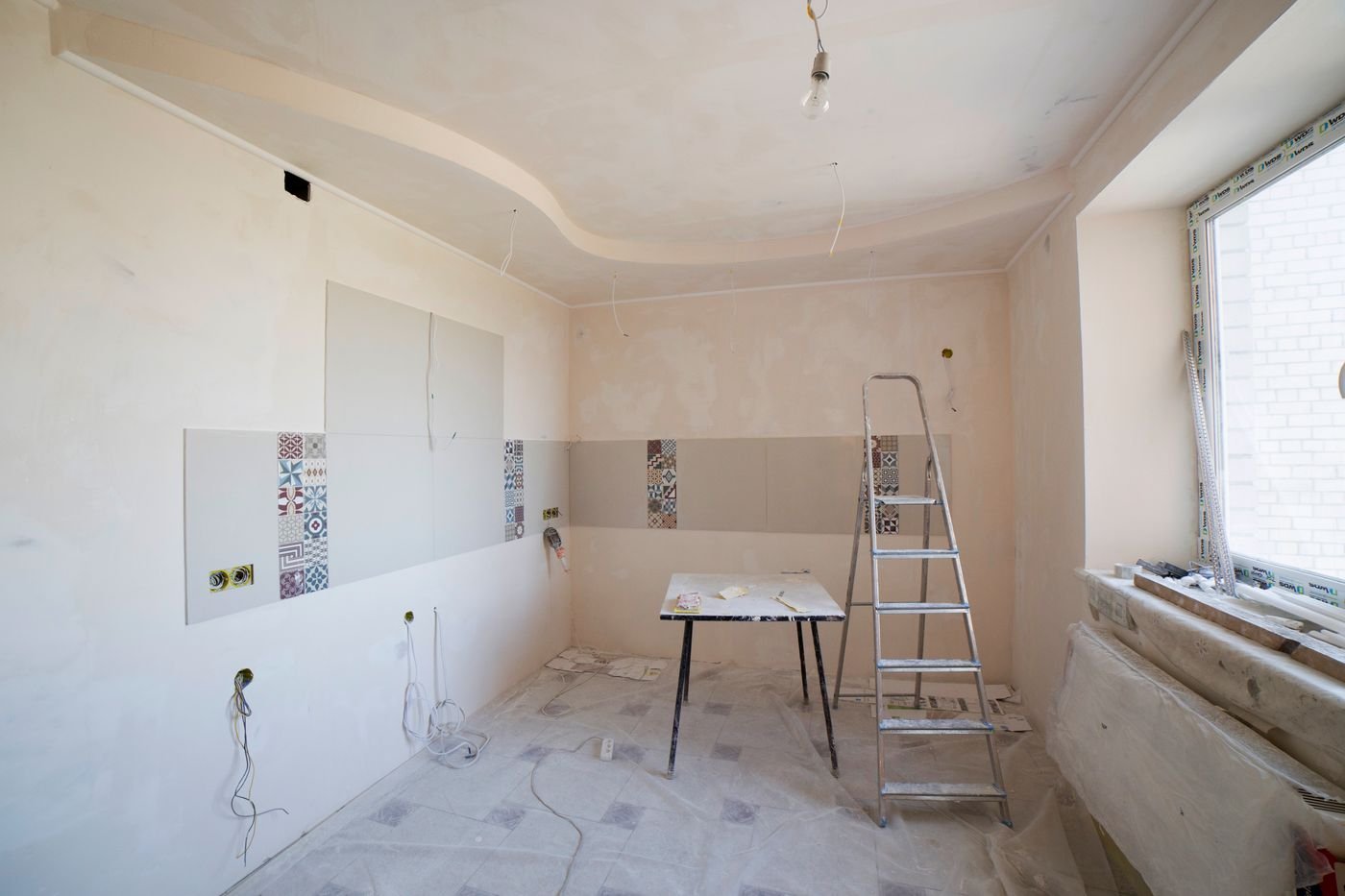
Commercial flooring removal down to clean, sound concrete
Before a new floor goes in, the old one has to come out. We remove all types of flooring, coatings and adhesives and leave the slab ready for what comes next.
Every type of flooring
We remove ceramic, porcelain and quarry tile, VCT, sheet vinyl, LVT, carpet and carpet tile, rubber flooring, wood, and failed epoxy or urethane coatings. We also take off thin toppings, old leveling compounds and the adhesives, mastics and thinset left behind.
Removal is done with ride-on and walk-behind scrapers, chipping equipment and diamond grinders. The method depends on the material, how well it is bonded and what the next floor needs. A resin coating needs an open, profiled slab, while new tile may only need a clean, flat surface.
We review the space before starting so the right equipment is on site. That includes checking for mortar beds under tile, multiple layers of flooring, and old adhesive that needs grinding rather than scraping.
Dust, debris and hazardous materials
Grinders run with HEPA dust extraction, and work areas are contained when the building is occupied. Debris collection and disposal can be included in the scope.
Older flooring and black mastics can contain asbestos. Suspect materials must be tested before any removal starts. Where asbestos is confirmed, it has to be handled under Ontario's designated substance regulations by qualified abatement contractors, and we do not disturb suspect materials until results are in.
One contractor from removal to finish
Because we also grind, repair and install flooring, the slab is prepared to the standard the next system needs. That closes the gap between a demolition crew and a flooring installer, where prep problems often fall through.
Down to bare concrete
Old flooring, adhesive and mastic are removed and hauled away, leaving a clean slab for the next system.
Removal, scraping and disposal are handled by the same crew that installs the new floor, so there's no gap between trades.
- Same crew from prep to finish
- Scheduled around your site
- Confirmed during the site assessment
What you get
What the job includes
- Carpet and sheet vinyl removal
- Laminate removal
- Vinyl tile and VCT removal
- Ceramic and porcelain tile removal, including mortar beds
- Epoxy and old coating removal
- Adhesive scraping, haul-away and disposal
How a project runs
Every project starts with an instant estimate or a call, then a site assessment and a written quote before any work is scheduled.
Common in
Flooring Removal FAQ
What affects the cost of flooring removal?
The type of flooring, how well it is bonded, the amount of adhesive left behind, the area and site access. Tile set in a mortar bed takes much more work than carpet. Use the instant estimate for a range, and we confirm after a site assessment.
Can you remove flooring while the building is occupied?
Yes. We use HEPA extraction and containment, and we schedule around your operation. Noisy work can be planned for evenings or weekends.
What about asbestos?
Some older tiles, sheet goods and mastics may contain asbestos, so suspect materials must be tested before removal. If asbestos is confirmed, abatement is handled by qualified contractors under Ontario regulations before we proceed.
Will the concrete be damaged during removal?
Some surface marks are normal, especially with well-bonded tile. Any damage is ground and repaired as part of preparing the slab for the next floor, and we note slab condition before we start.
Related services
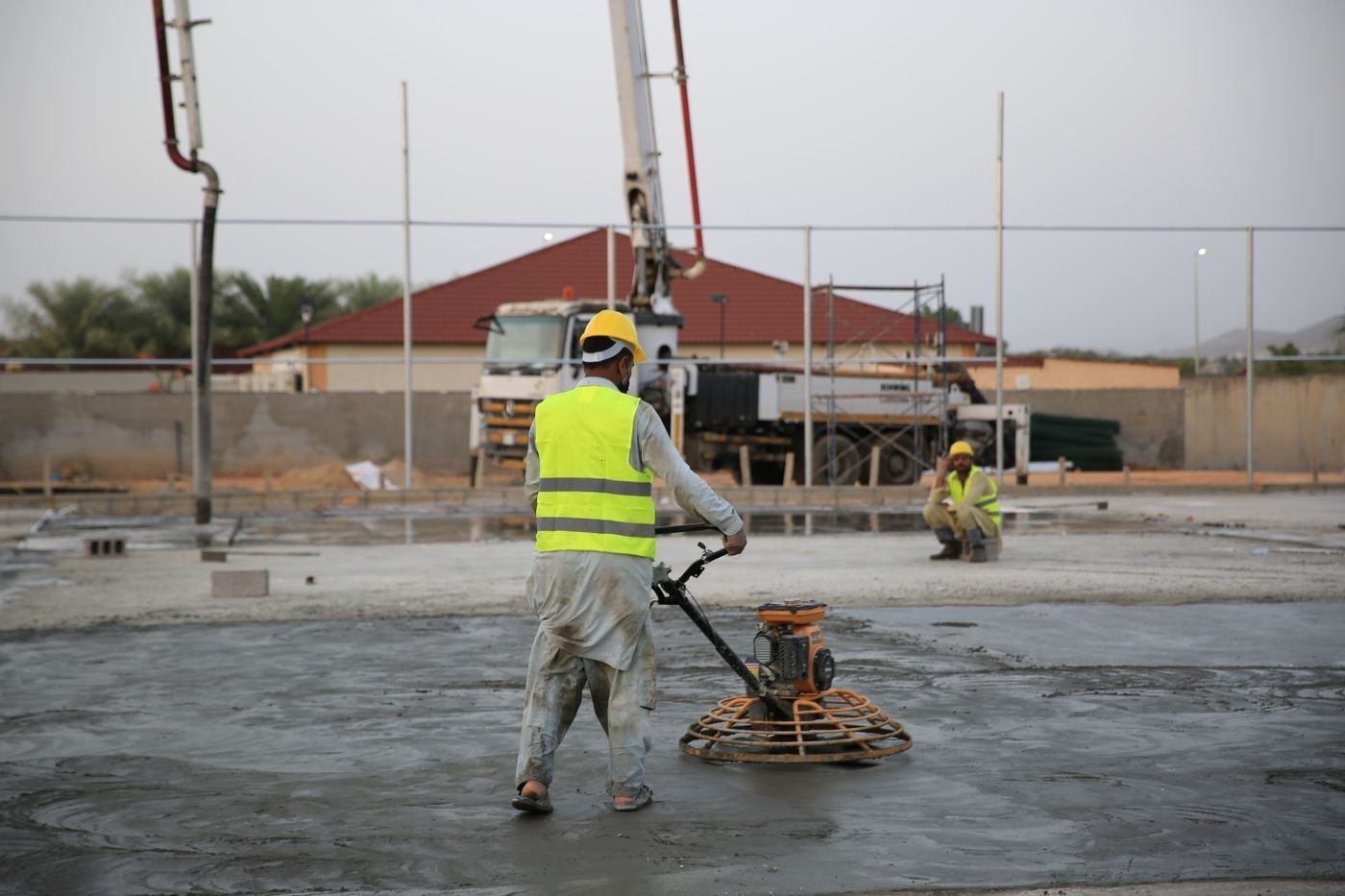
Concrete Grinding & Surface Prep
Diamond grinding and shot blasting to the correct surface profile for coatings, overlays and polishing.
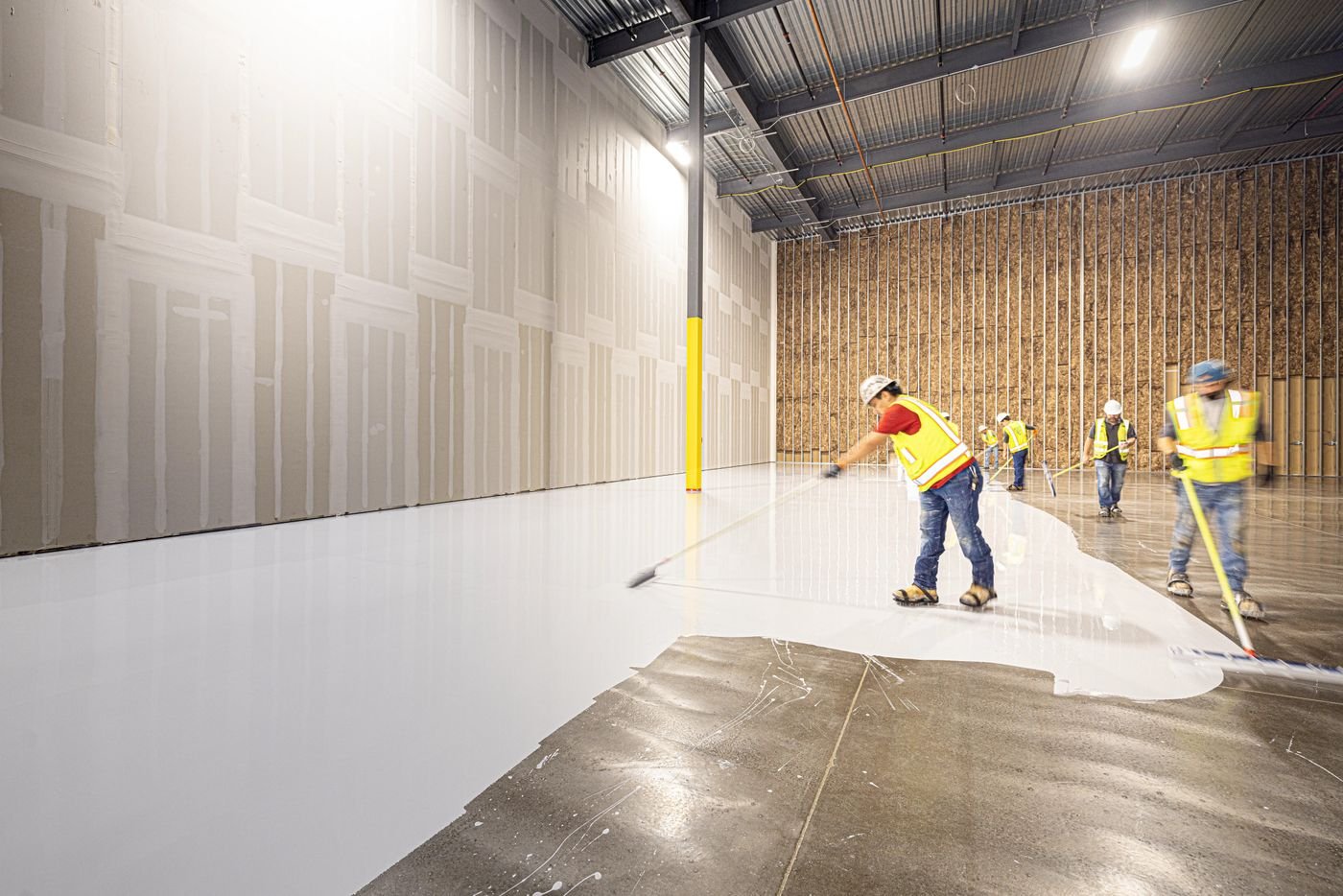
Self-Leveling & Floor Leveling
Self-leveling underlayments and toppings that flatten uneven slabs before new flooring or coatings.
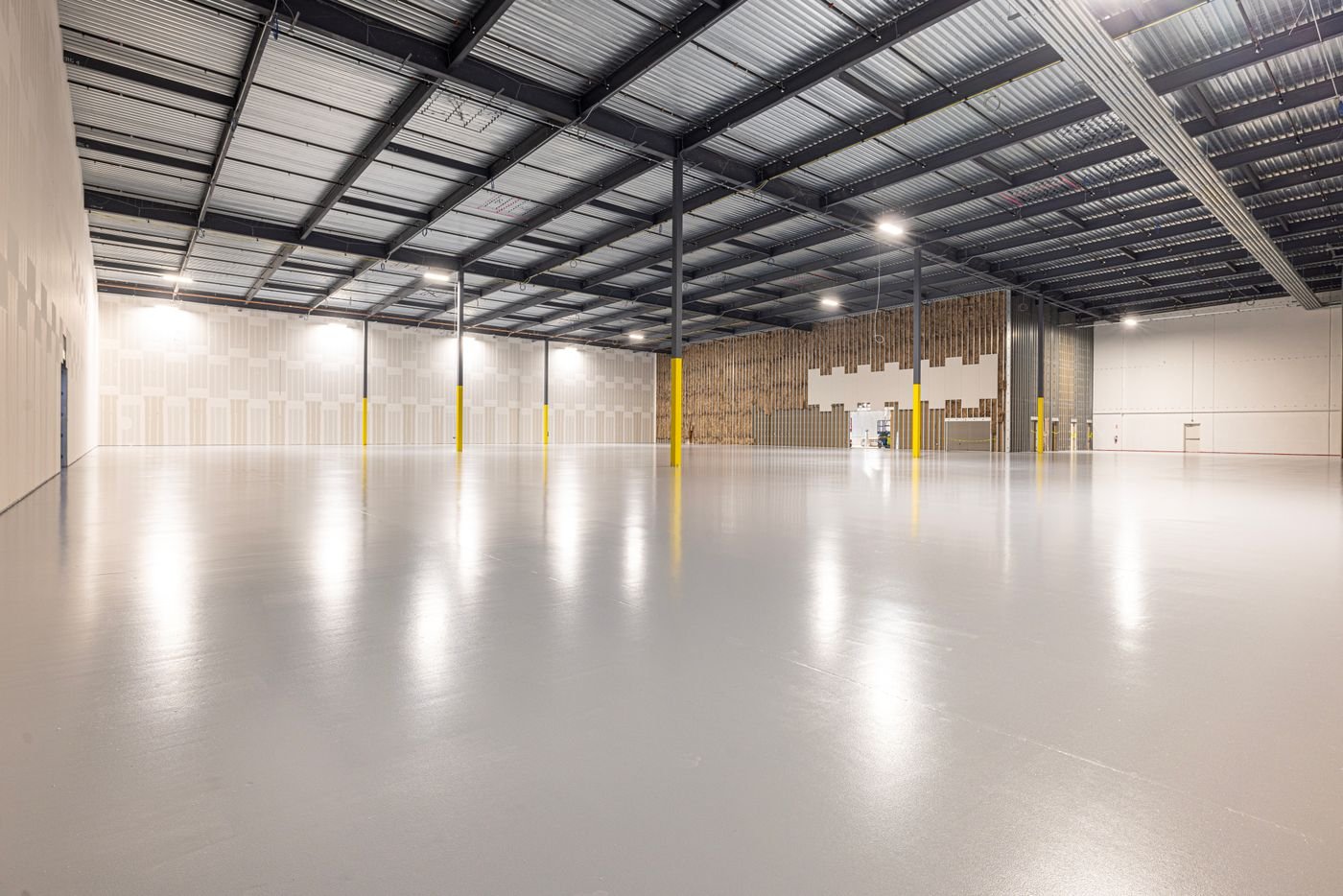
Epoxy Flooring
Seamless, chemical-resistant epoxy systems for warehouses, plants, kitchens and institutional floors across the GTA.
See what your floor will cost
Answer a few quick questions and see your estimate in about two minutes. A formal quote follows a site assessment.