
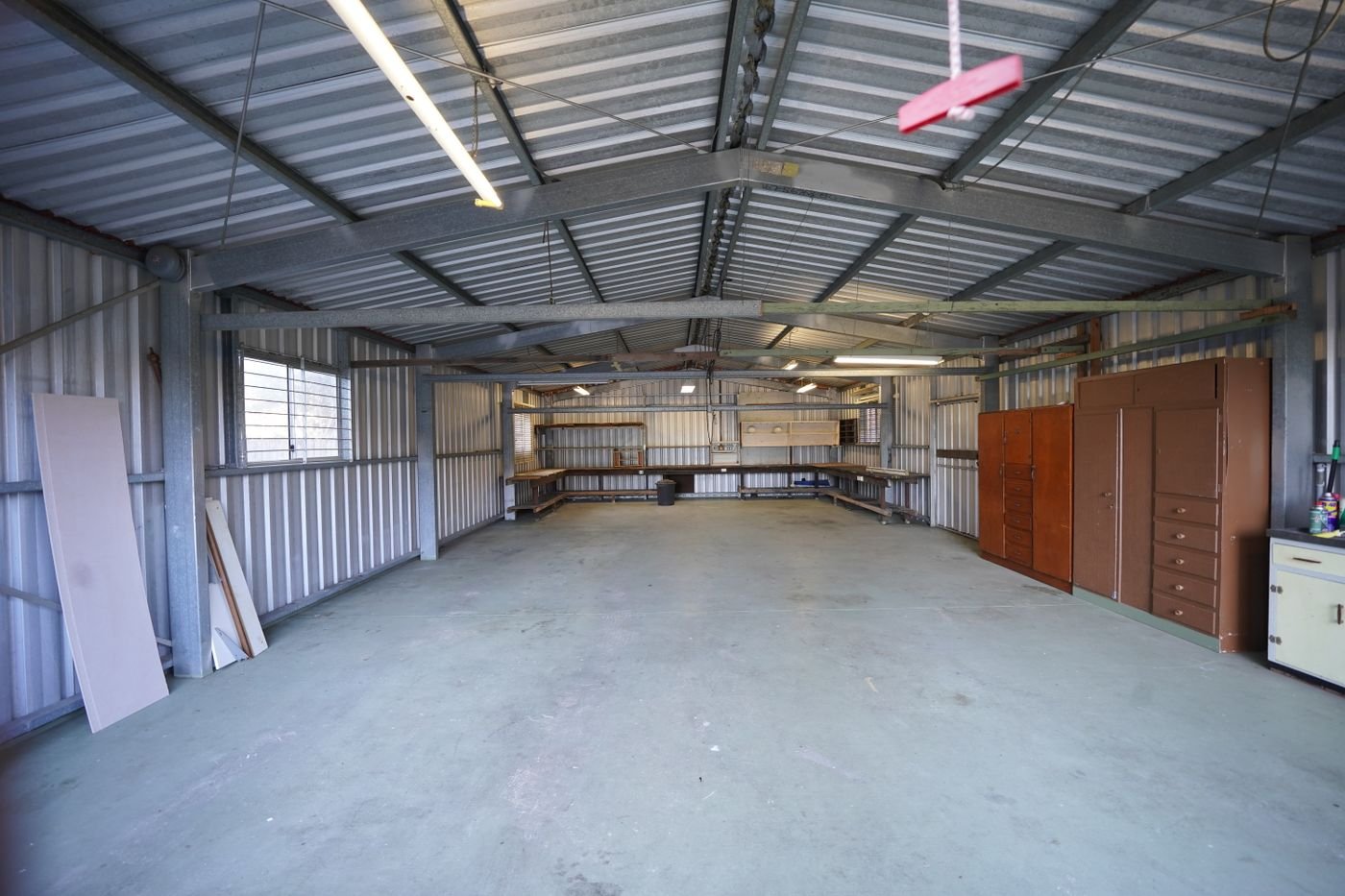
Moisture testing and mitigation before you coat or floor
Moisture in concrete is a common cause of coating and flooring failure. We test the slab first and, where readings call for it, install a moisture vapour barrier primer before the floor goes down.
Why coatings blister and peel
Concrete holds water long after it is poured, and slabs on grade can draw moisture up from the ground. That moisture moves upward as vapour. When a dense coating or flooring adhesive seals the top, vapour pressure and alkaline salts build up underneath. The result is blisters, soft adhesive and coatings that lift off in sheets.
The risk is highest on new slabs that have not dried long enough, older slabs on grade poured without a vapour barrier underneath, and floors below grade or over wet soil.
How we test
We use in-situ relative humidity (RH) probes, which measure moisture inside the slab, and calcium chloride tests, which measure how much vapour leaves the surface. We also check surface pH. Tests are spread across the floor because readings can vary from one area to another, and results are compared with the limits of the coating or flooring being installed.
Moisture vapour barrier primers
When readings are above what the floor system allows, we install a moisture vapour barrier primer. These are dense epoxy primers designed to limit vapour transmission and give the finished floor a stable base. Each product is rated for a maximum moisture level, so the primer is chosen to match the test results.
Mitigation also helps on new construction. When the schedule cannot wait months for a fresh slab to dry, a vapour barrier primer can allow flooring to go down sooner. It can sit under epoxy, urethane cement, self-levelling underlayments and compatible flooring adhesives.
How a moisture mitigation system is built
Every layer has a job. Here's what goes down, from the slab up.
Moisture rising through the slab is stopped at the barrier, so the floor above stays bonded instead of blistering.
- Each coat goes down at the specified thickness
- Cure times are planned into your schedule
- The full system is listed in your formal quote
What you get
What the job includes
- RH probe and calcium chloride moisture testing
- Surface pH testing
- Review of results against the floor system's limits
- Diamond grinding or shot blasting to the required profile
- Crack and joint treatment before priming
- Moisture vapour barrier primer at the specified thickness
How a project runs
Every project starts with an instant estimate or a call, then a site assessment and a written quote before any work is scheduled.
Common in
Moisture Mitigation FAQ
Do I need testing if the slab looks dry?
Yes. A slab can look and feel dry on top while holding high moisture inside. Testing is the only reliable way to know, and it costs far less than replacing a failed floor.
How long does moisture testing take?
RH probes need time to reach equilibrium in the slab, usually about a day, before readings are taken. Calcium chloride tests run for a few days. We plan testing early so results are ready before installation.
Can you fix a floor that is already blistering?
Yes, but the failed coating has to come off. We remove it down to sound concrete, test the slab, install a moisture vapour barrier primer where needed and then rebuild the floor.
Is mitigation always needed on new concrete?
Not always. It depends on the age of the slab, the mix, drying conditions and the floor system's limits. Testing tells us whether mitigation is needed or the slab is ready as is. Call (647) 917-6441 to book a site assessment.
Related services
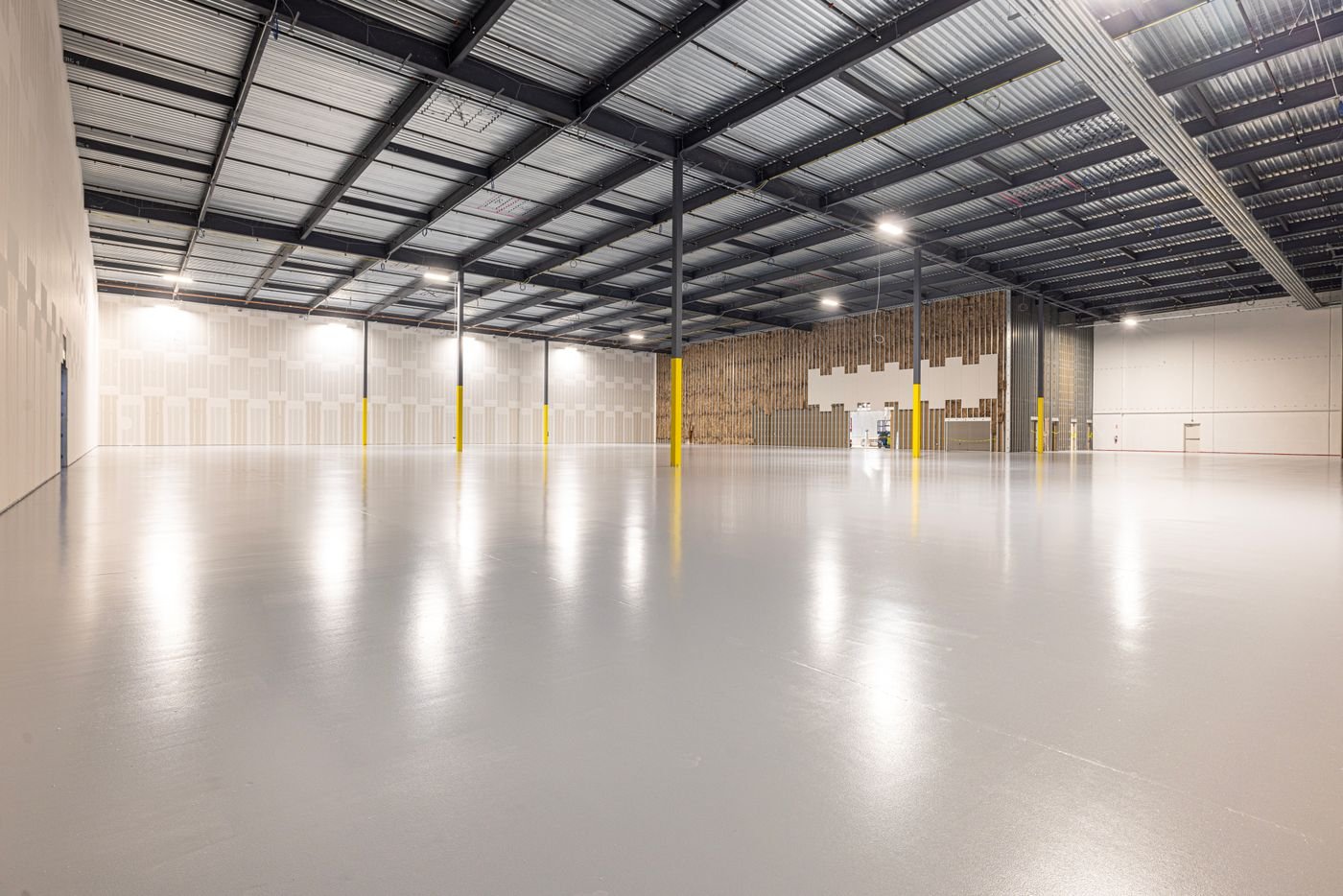
Epoxy Flooring
Seamless, chemical-resistant epoxy systems for warehouses, plants, kitchens and institutional floors across the GTA.
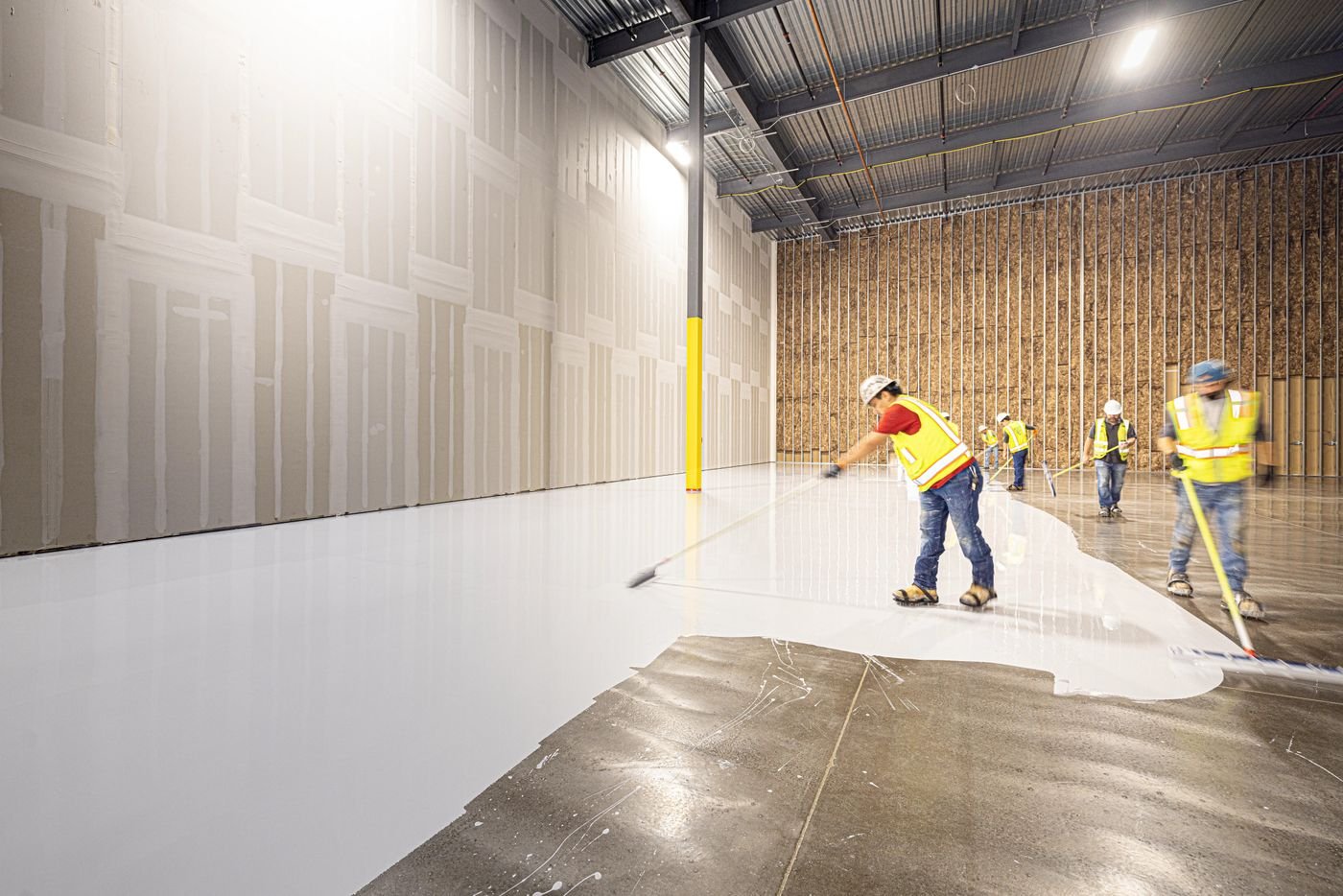
Self-Leveling & Floor Leveling
Self-leveling underlayments and toppings that flatten uneven slabs before new flooring or coatings.
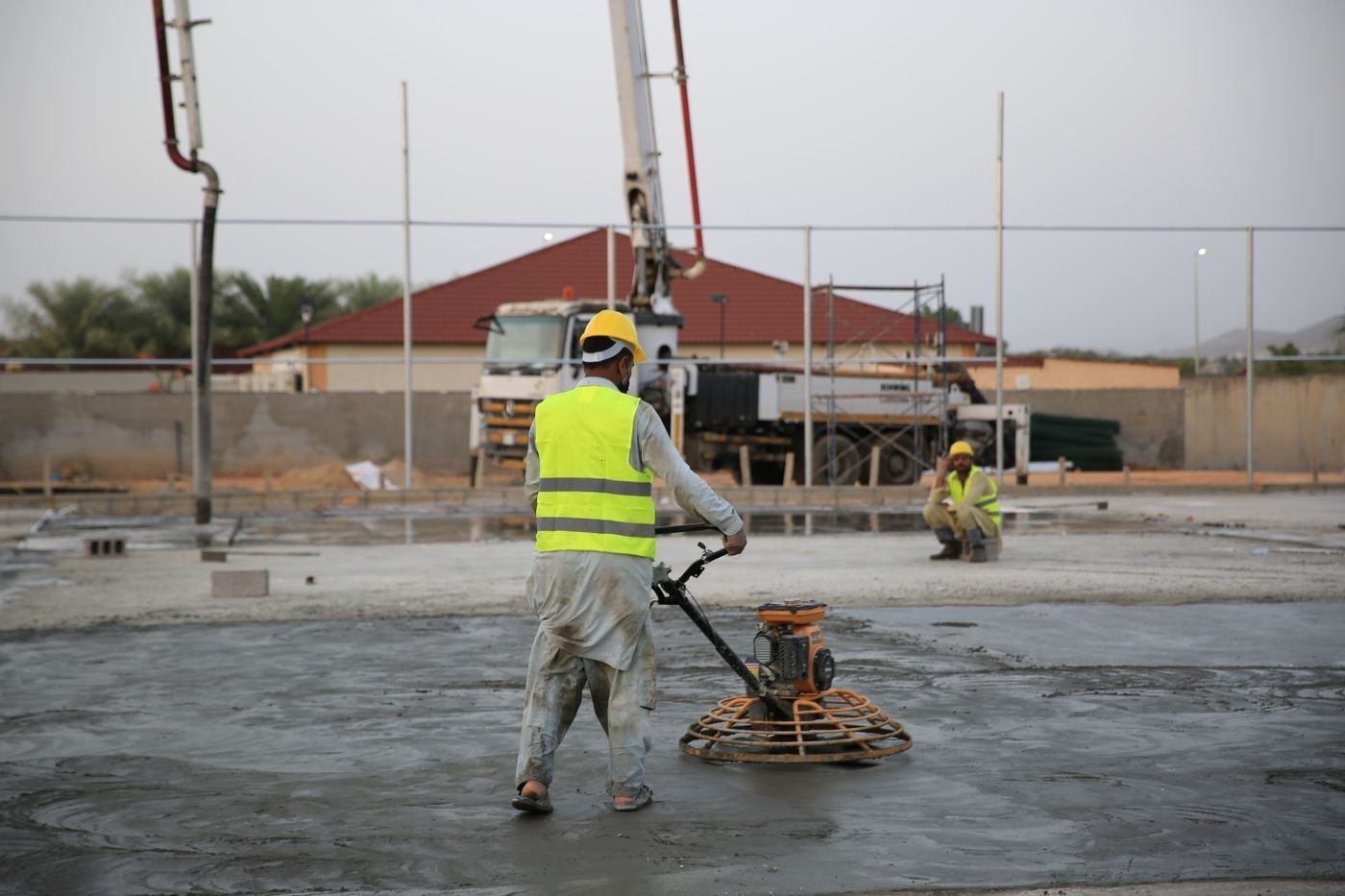
Concrete Grinding & Surface Prep
Diamond grinding and shot blasting to the correct surface profile for coatings, overlays and polishing.
See what your floor will cost
Answer a few quick questions and see your estimate in about two minutes. A formal quote follows a site assessment.